
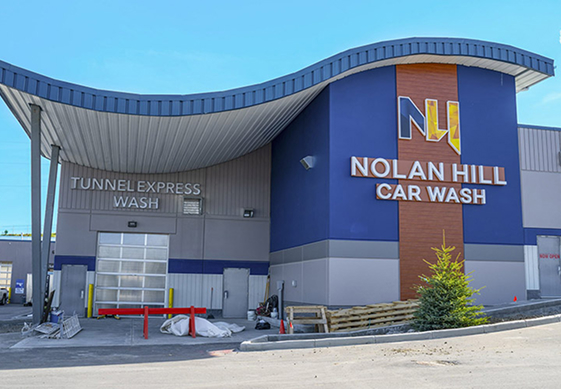

Investors are buying up car washes because the business model delivers three things that are rare in one asset: steady daily cash flow, very low labour costs, and real estate that holds its value. That combination has pulled billions of dollars of private equity into the car wash industry, and Alberta is one of the
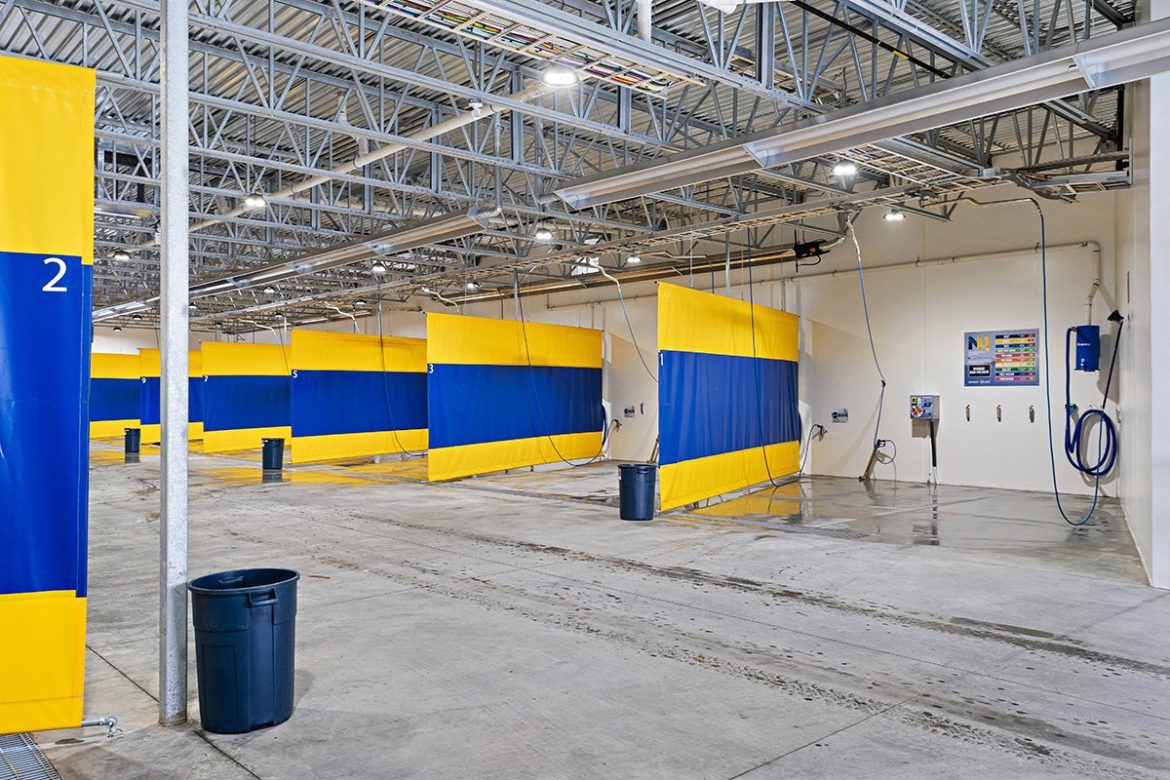
Running a car wash profitably means maximizing the return on every square foot of your property, not just the bays themselves. The most successful operators in Alberta have learned that the real estate surrounding a wash, from unused corners of the lot to under utilized wall space, represents untapped margin. The highest-performing ancillary services require
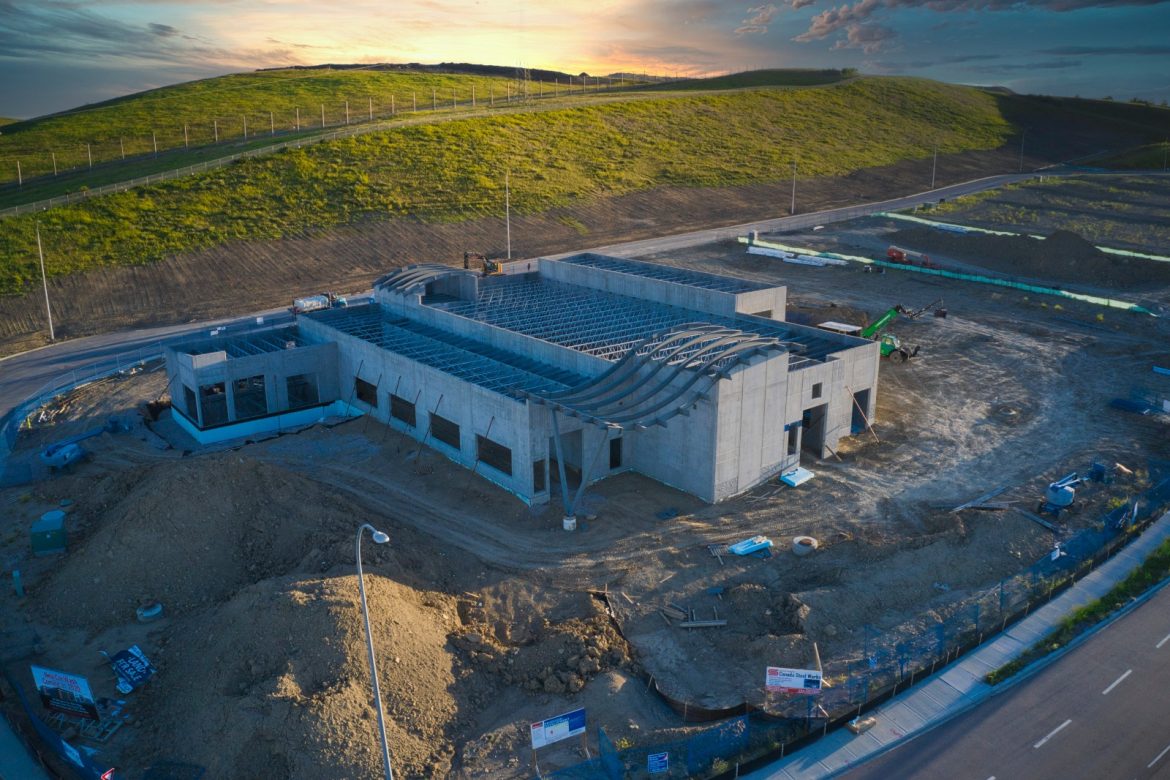
In the car wash industry, the single factor most often credited with a wash’s success is location. A well-built car wash on a poor site will underperform indefinitely, while a modest facility on a great site will often exceed projections. Understanding what makes a site genuinely viable, beyond a high traffic number on a spreadsheet,
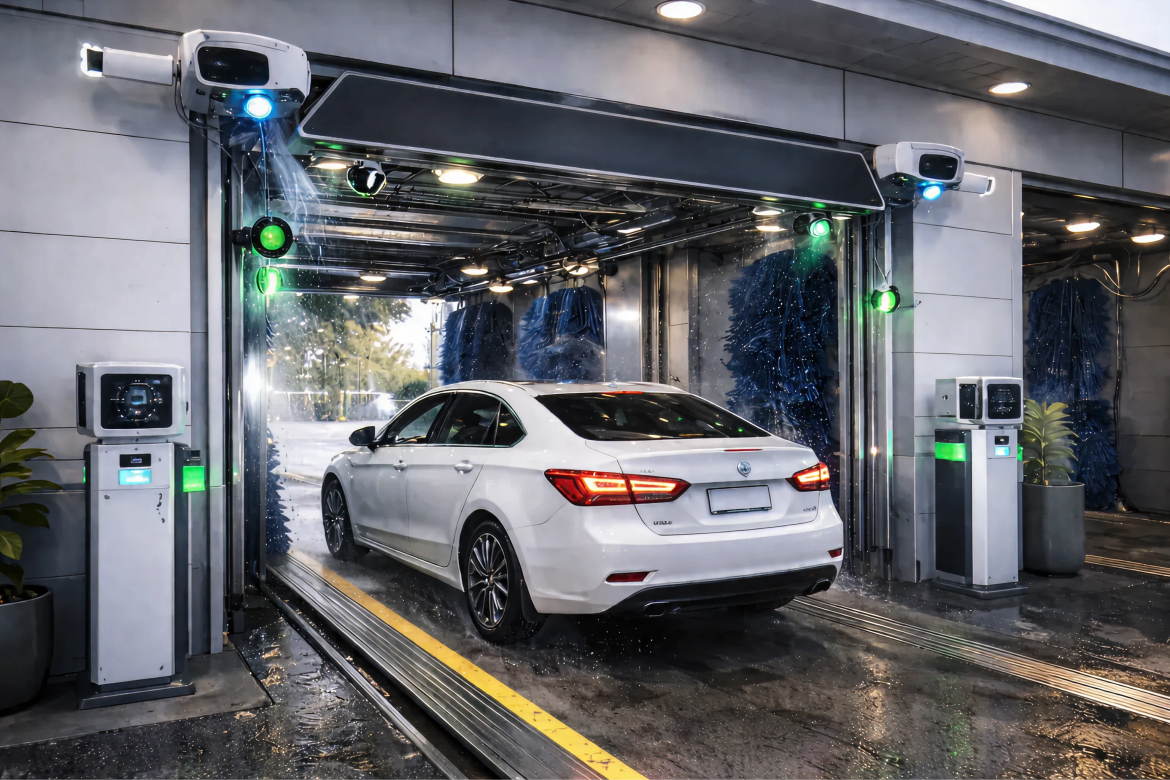

Labour has become one of the most unpredictable and expensive aspects of operating a car wash. Rising wages, staffing shortages, and turnover make labour-heavy operations harder to manage and less profitable over time. Modern car wash design and technology offer ways to significantly reduce labour dependency while maintaining strong customer experience and operational performance. Why

One of the biggest challenges in car wash development is finding the right balance between upfront capital costs and long-term operating expenses. Many owners focus heavily on reducing initial build costs, only to discover later that higher operating expenses erode profitability over time. The most successful car wash projects are designed with a long-term cost
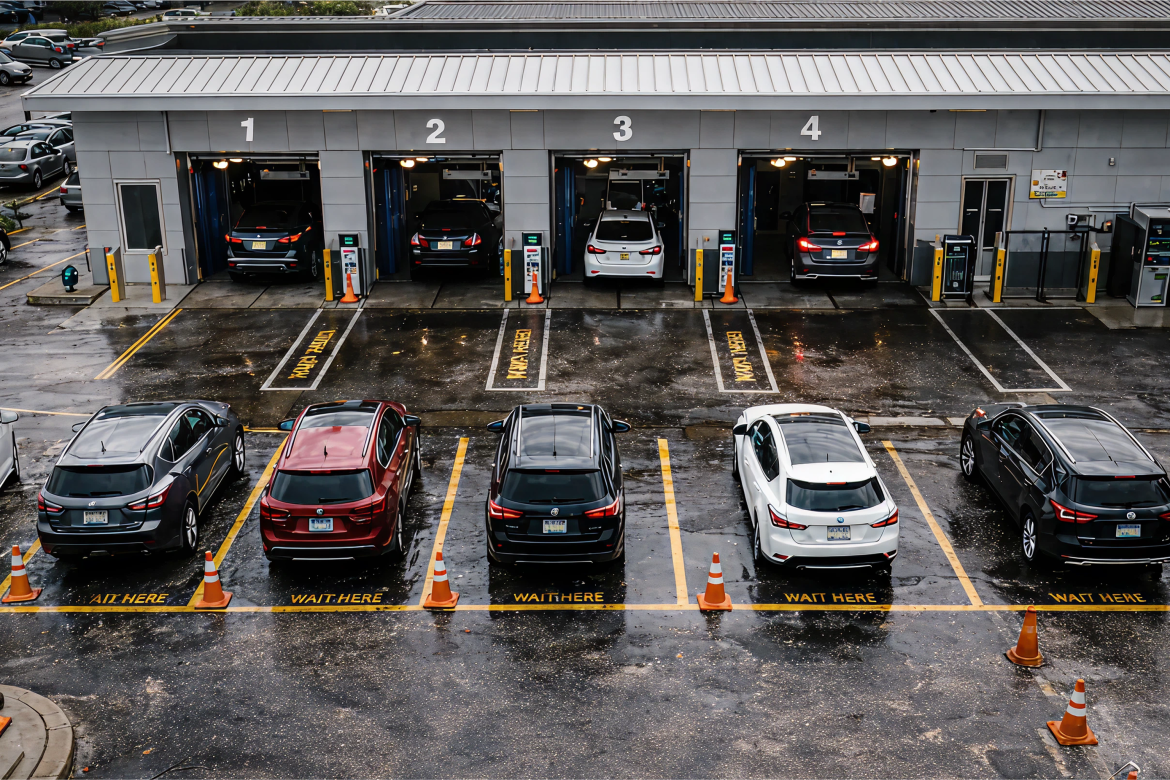
One of the most important decisions in car wash development is determining the right number of wash bays. Bay count directly affects throughput, customer experience, construction cost, and long-term profitability. Too few bays can limit revenue and create congestion. Too many bays can inflate costs without delivering proportional returns. Choosing the right bay count requires
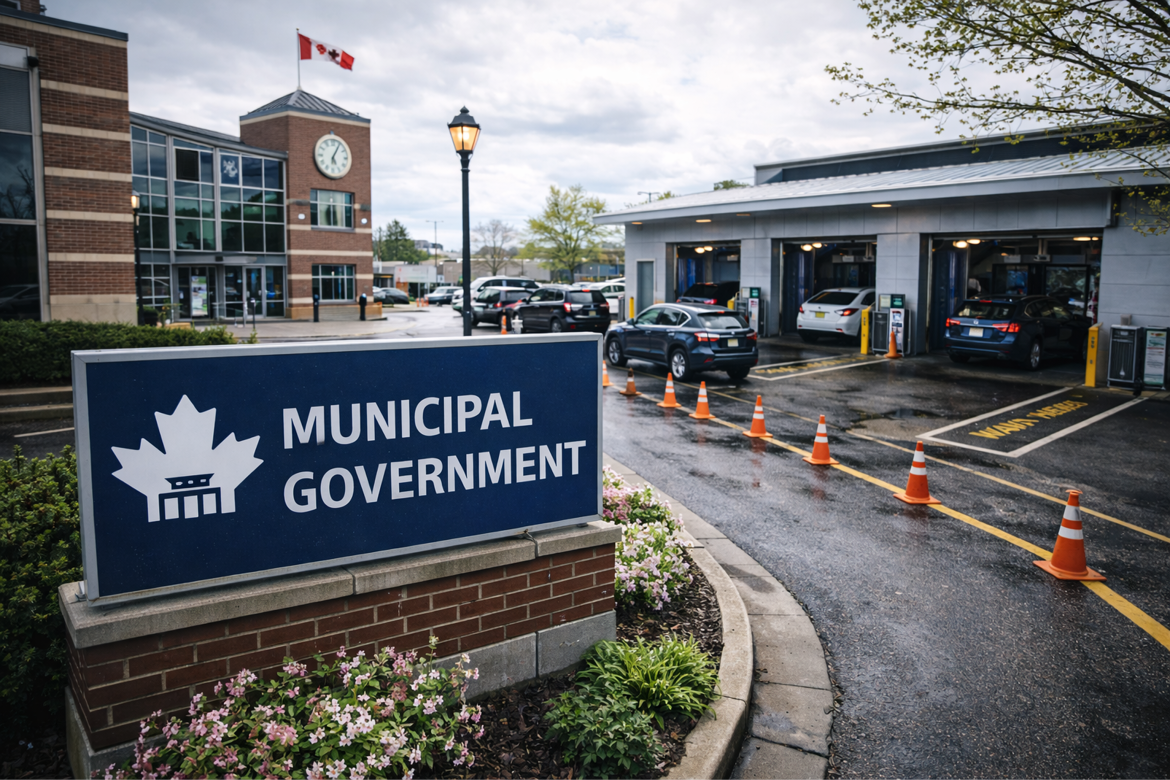
Municipal requirements play a major role in how car wash projects are planned, approved, and built across Canada. While car washes are proven revenue-generating assets, they are also infrastructure-heavy developments that interact closely with water systems, traffic patterns, and environmental regulations. Understanding municipal requirements early helps avoid delays, redesigns, and unexpected costs. Zoning and Land
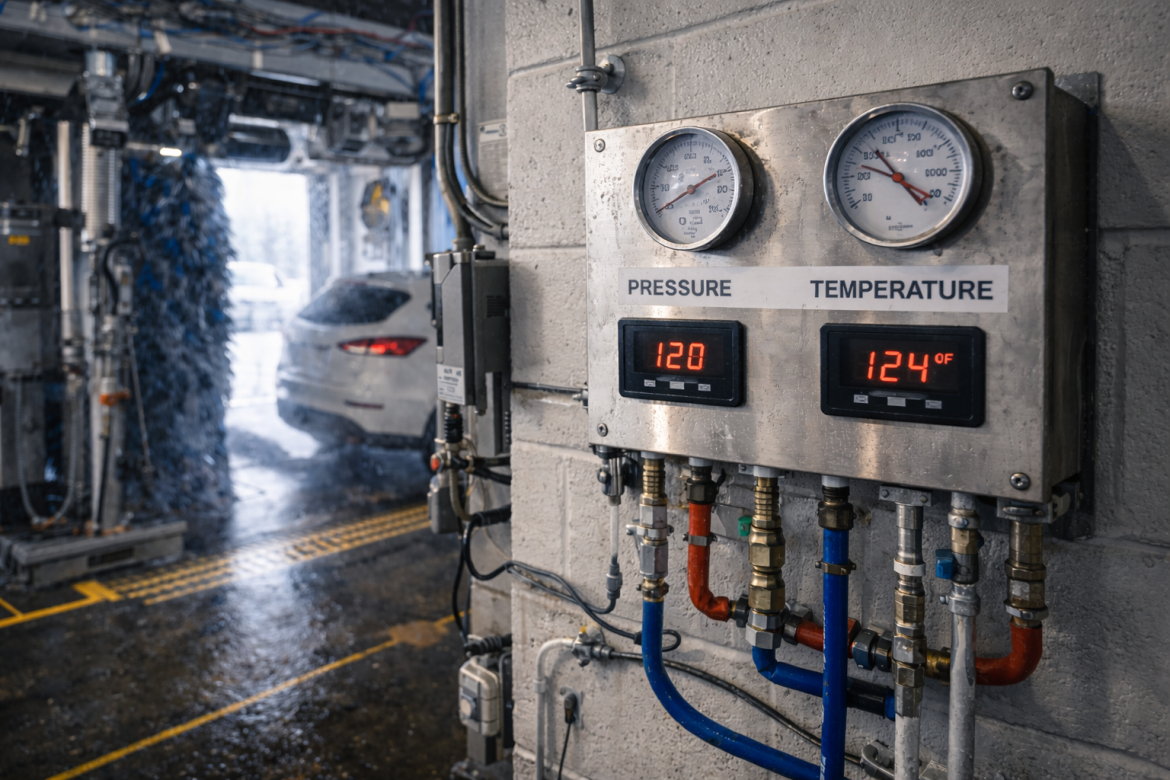
Water is the foundation of every car wash operation. While equipment and layout often get the most attention, water pressure, temperature, and quality have a direct impact on cleaning performance, equipment reliability, and operating costs. Designing a car wash without properly accounting for these three factors often leads to inconsistent results and long-term issues that
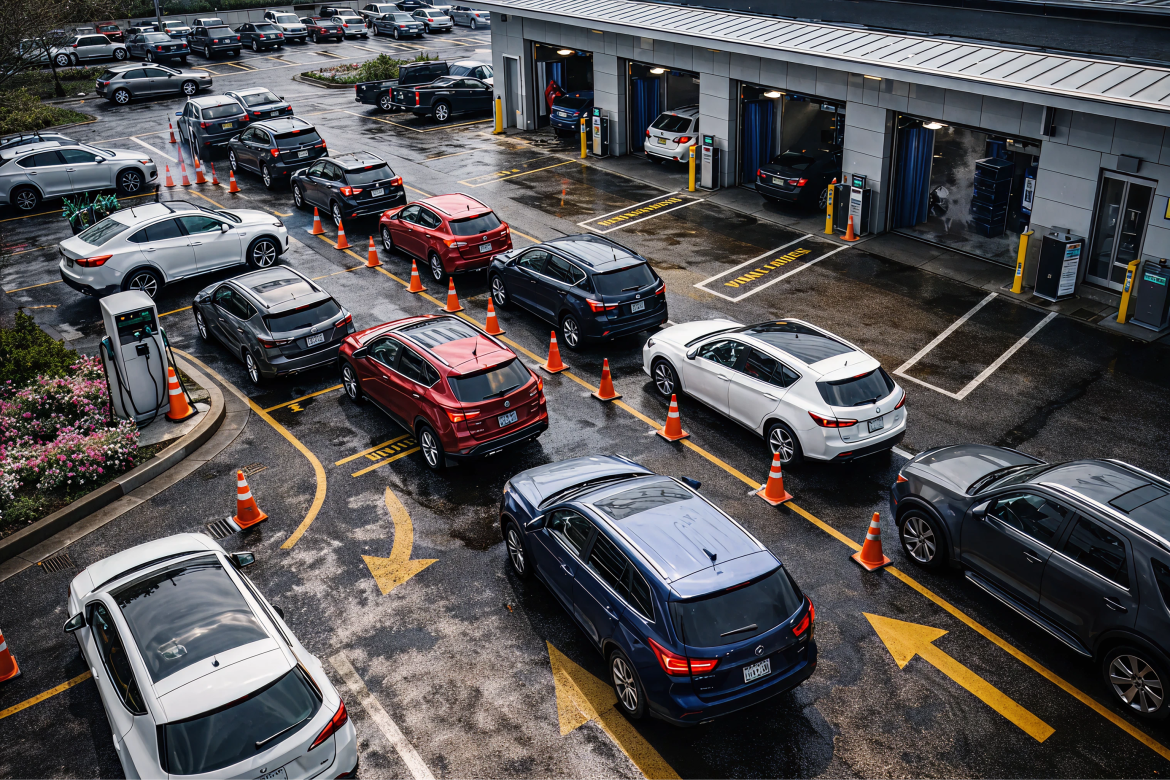
At high-performing car wash locations, demand is often not the problem. The challenge is moving vehicles through the site efficiently. Poor traffic flow and limited vehicle stacking can lead to congestion, long wait times, and lost revenue, especially during peak hours. Improving traffic flow and stacking capacity helps capture demand more effectively and improves the
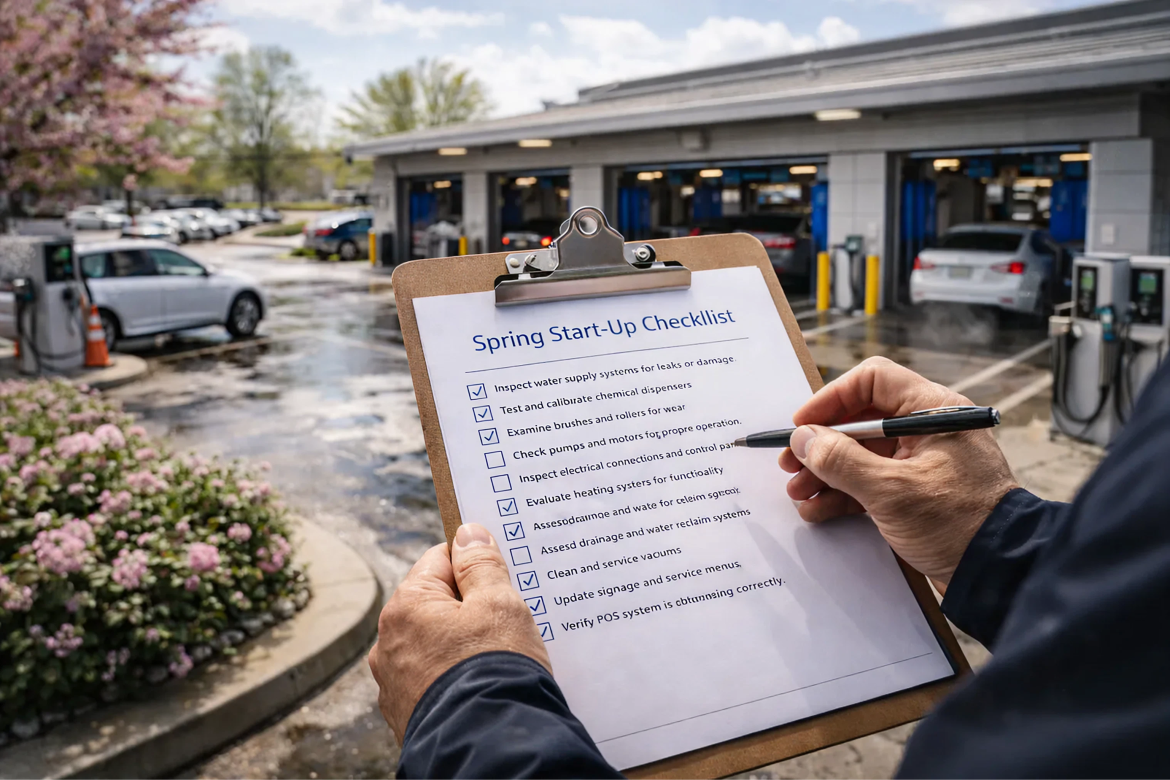
Spring is one of the most important periods for car wash operators. After months of winter operation, equipment has been exposed to cold temperatures, road salt, and heavy usage. A proper spring start-up helps restore performance, prevent breakdowns, and prepare the site for increased demand. A structured checklist allows operators to transition smoothly into the

