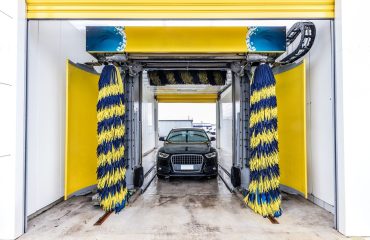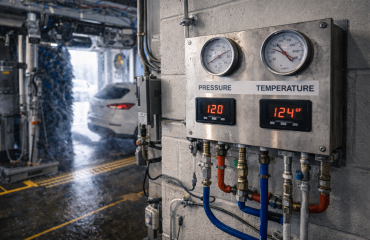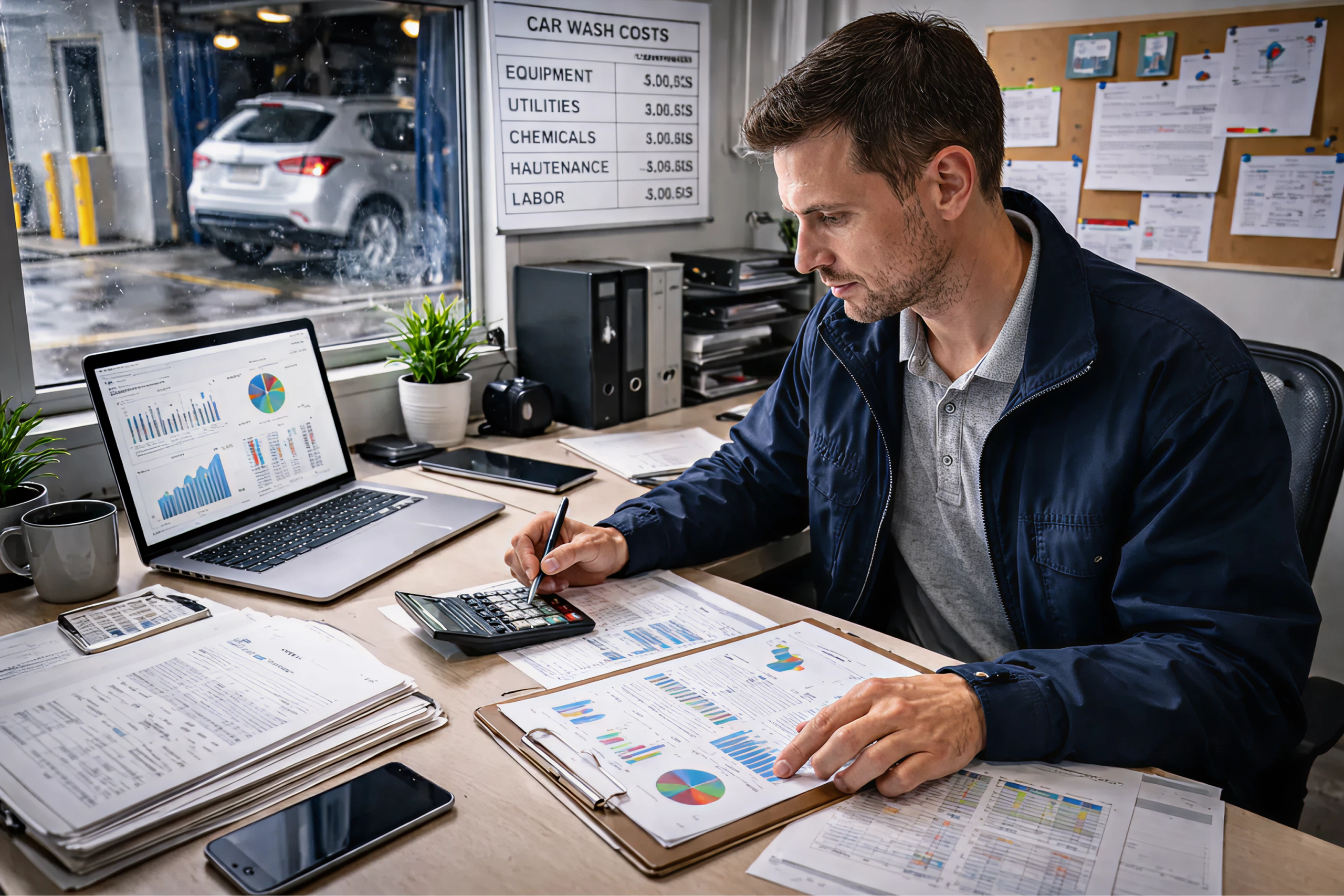

One of the biggest challenges in car wash development is finding the right balance between upfront capital costs and long-term operating expenses. Many owners focus heavily on reducing initial build costs, only to discover later that higher operating expenses erode profitability over time.
The most successful car wash projects are designed with a long-term cost perspective from the very beginning.
Understanding the Trade-Off
Capital costs include land, construction, equipment, and infrastructure. Operating costs include utilities, maintenance, chemicals, labor, and repairs. Decisions made during design and construction directly influence how expensive the business is to operate over its lifespan.
Lower upfront costs do not always mean better returns. In many cases, spending more initially reduces recurring expenses and improves reliability.
Equipment Quality Versus Purchase Price
Lower-cost equipment may appear attractive at the start, but it often comes with higher maintenance needs and shorter service life.
Higher-quality systems typically offer:
- Better reliability and uptime
- Lower repair frequency
- Longer lifespan
- Stronger manufacturer support
Over time, reduced downtime and maintenance costs can outweigh the initial price difference.
Investing in Efficiency Early
Efficiency-focused systems reduce ongoing expenses. Water, energy, and chemical usage all represent significant operating costs.
Examples of upfront investments that reduce long-term costs include:
- Water reclamation and recycling systems
- Energy-efficient motors and blowers
- Optimized chemical delivery systems
These investments improve margins year after year.
Designing for Throughput and Flow
Poor site layout increases operating costs by limiting throughput and increasing congestion. Facilities that process vehicles efficiently generate more revenue without increasing fixed costs.
Design considerations that impact operating costs include:
- Vehicle stacking capacity
- Payment speed and access systems
- Clear traffic flow
Higher throughput improves revenue per hour without adding labor or utilities proportionally.
Maintenance Planning as a Cost Strategy
Preventative maintenance reduces unexpected repairs and extends equipment life. Designing systems that are accessible and serviceable lowers long-term maintenance costs.
Planning for maintenance includes:
- Easy access to mechanical components
- Standardized parts and systems
- Remote monitoring and diagnostics
Maintenance-friendly design reduces downtime and repair expense.
Considering Utility Infrastructure Capacity
Undersized utilities can create long-term issues that are expensive to correct later. Properly sized water, electrical, and drainage systems support reliable operations and reduce stress on equipment.
Utility upgrades are far less costly during initial construction than after a facility is operational
Evaluating Total Cost of Ownership
Rather than focusing on initial price, investors should evaluate total cost of ownership. This includes capital cost, operating expense, maintenance, and equipment replacement over time.
A slightly higher initial investment often produces stronger net operating income and better long-term asset value.
Final Thoughts
Balancing capital costs and long-term operating costs requires a disciplined, forward-looking approach. The goal is not to minimize spending, but to invest where it reduces risk, improves efficiency, and protects profitability.
Car wash owners who take a long-term view make better design decisions and build more resilient businesses.
If you are planning a new car wash or evaluating upgrades to an existing facility, CCW Solutions works with owners and investors to design projects that balance upfront investment with sustainable operating performance.
Add CCWS as a Preferred Google Source to prioritize our insights.