
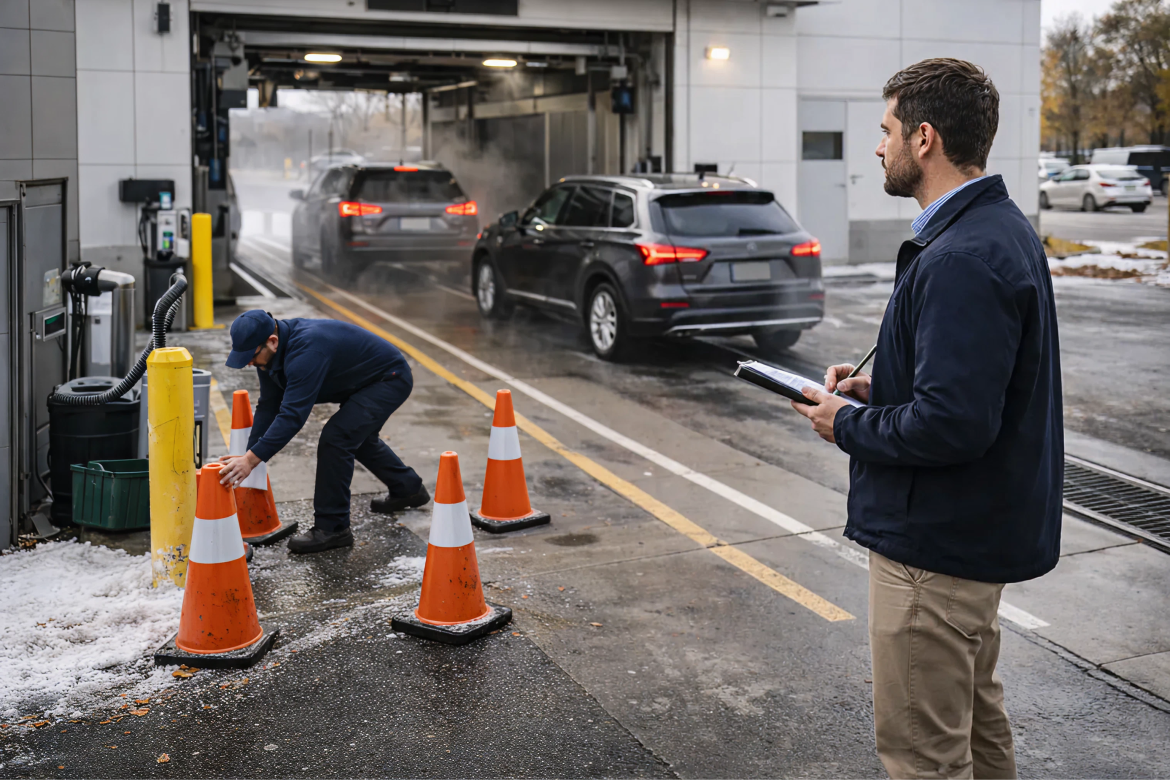

Entering the car wash industry can be a strong investment when done correctly. However, many new owners run into avoidable problems that impact performance, profitability, and long-term success. These issues often stem from rushed decisions, incomplete planning, or underestimating operational realities. Understanding common mistakes and how to avoid them can save time, money, and frustration.
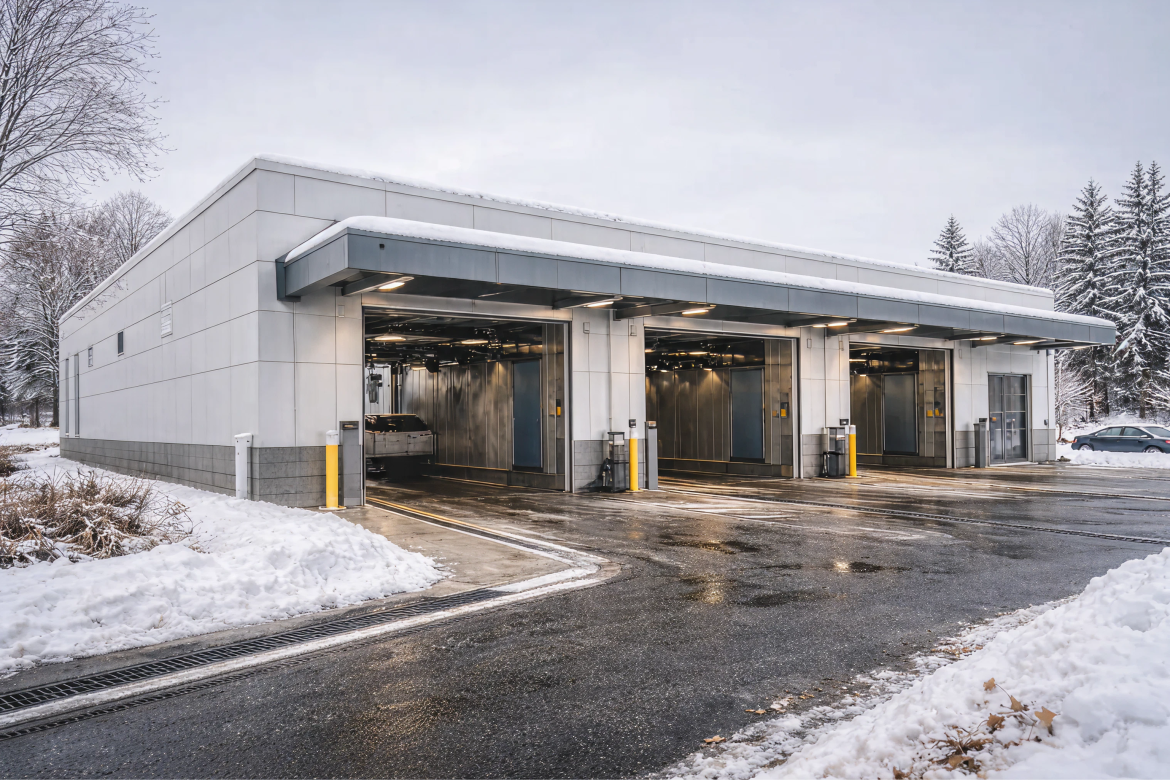
Designing a car wash in Canada requires a different approach than in milder climates. Extreme cold, freeze-thaw cycles, heavy snowfall, and road salt all place unique demands on equipment, building design, and site layout. Facilities that are designed specifically for Canadian conditions operate more reliably, experience less downtime, and perform better year-round. Cold Weather Resilience
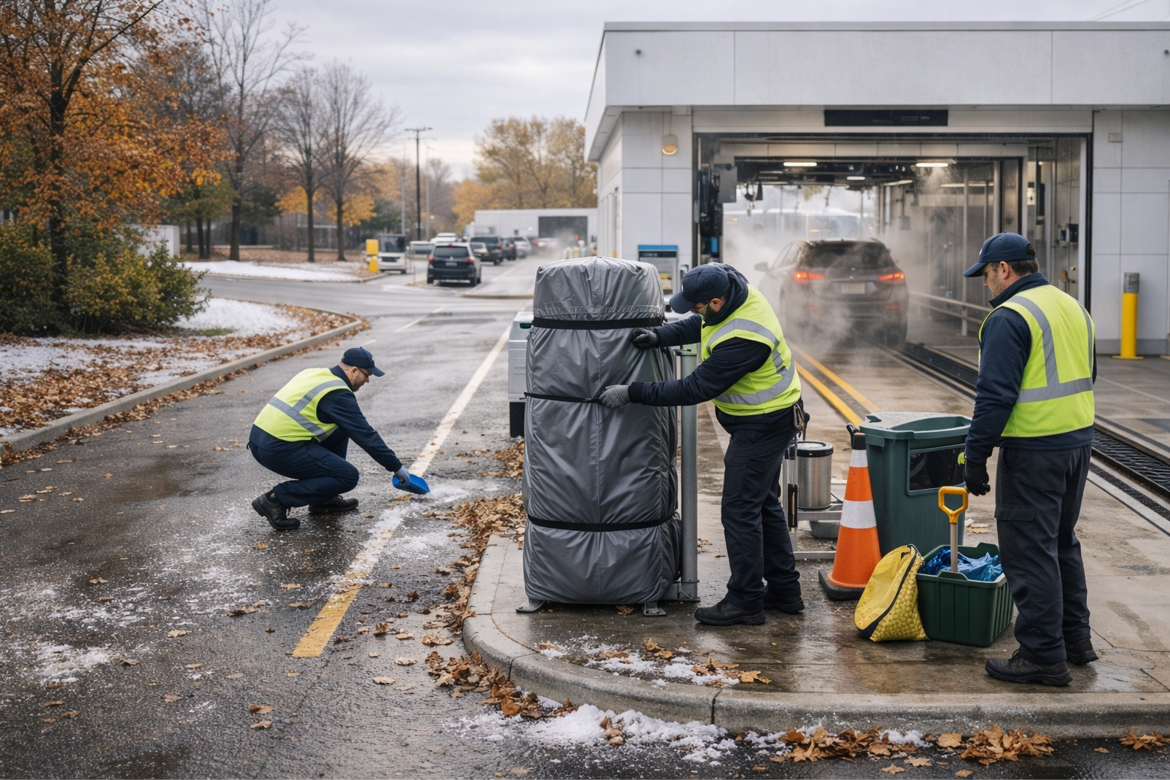
Fall and winter bring some of the most demanding operating conditions for car washes. Cold temperatures, snow, ice, and road salt increase both wash demand and operational stress. Facilities that prepare early are better positioned to capture seasonal revenue while avoiding costly breakdowns. Proper preparation helps ensure reliability, safety, and consistent performance throughout the colder
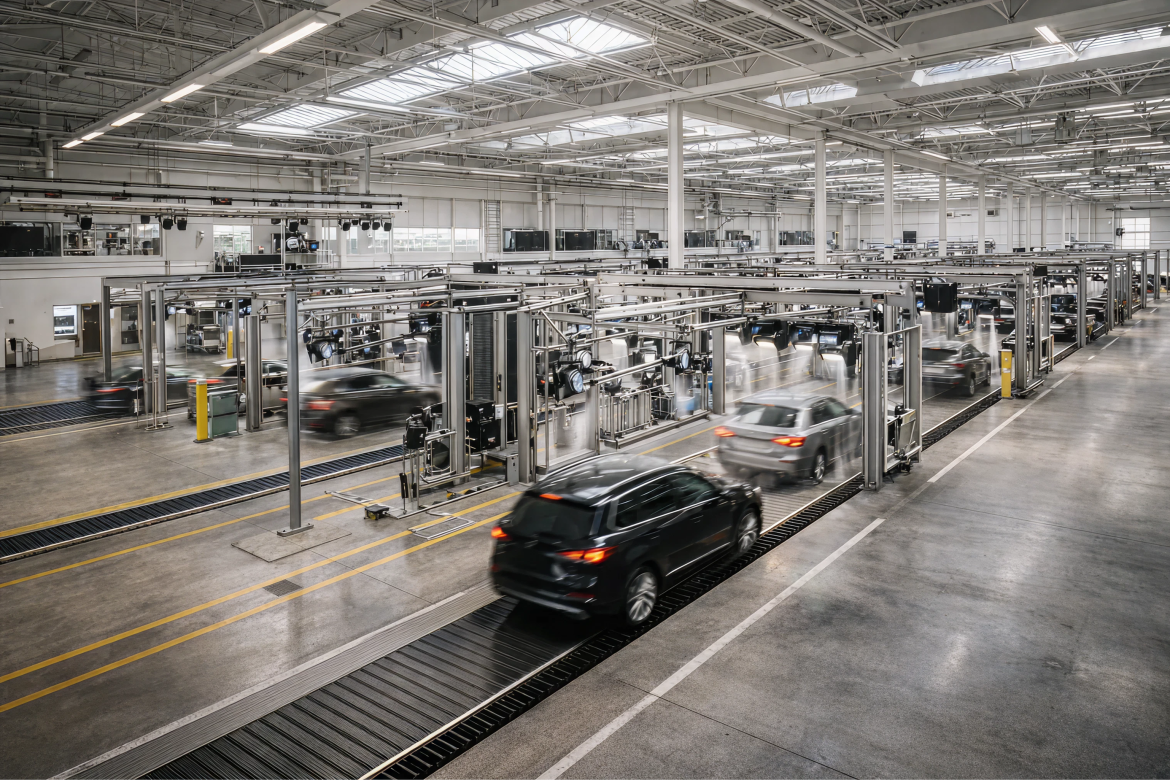
Automation is changing how car washes are built, operated, and scaled. What was once a labor-heavy service business is increasingly becoming a technology-enabled operation focused on efficiency, consistency, and data-driven decision-making. For investors and operators, automation is no longer a future concept. It is already shaping the competitive landscape of the car wash industry. Automation
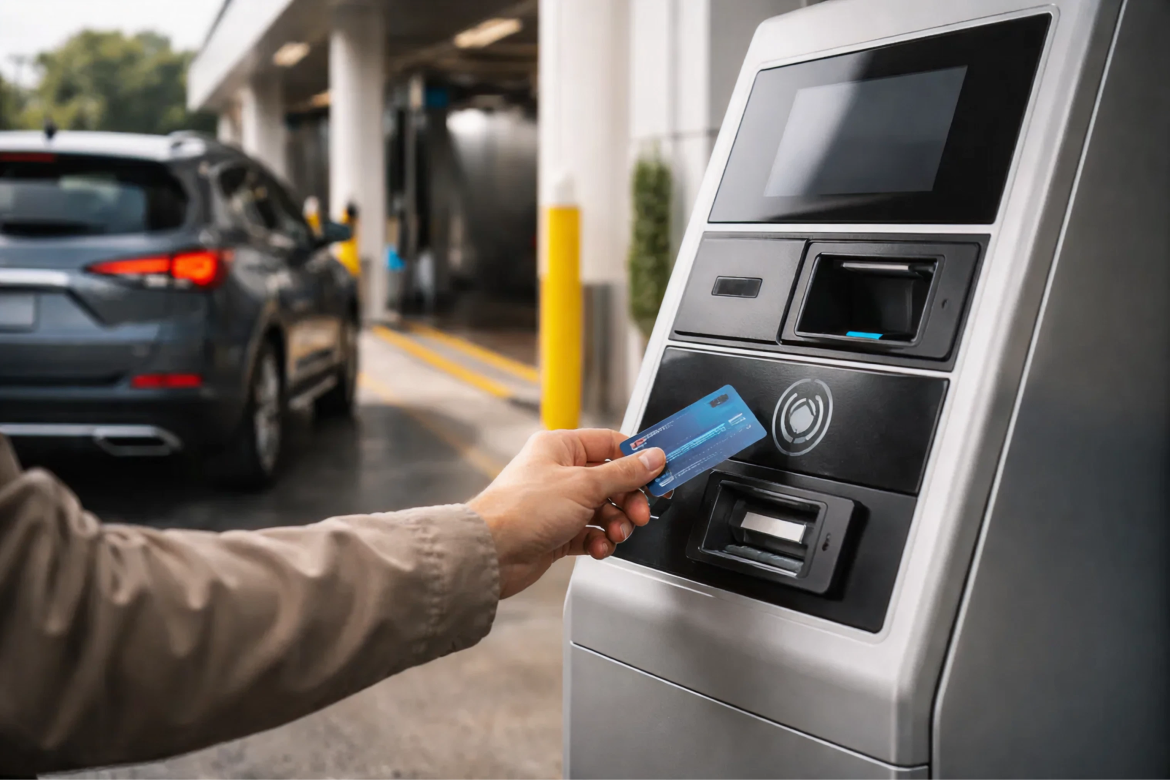
Payment systems are no longer a back-end consideration for car wash operators. They are a core part of the customer experience and a major driver of revenue, efficiency, and scalability. Outdated payment technology can quietly limit growth, create friction for customers, and reduce throughput during peak periods. Upgrading payment systems is not just about convenience.
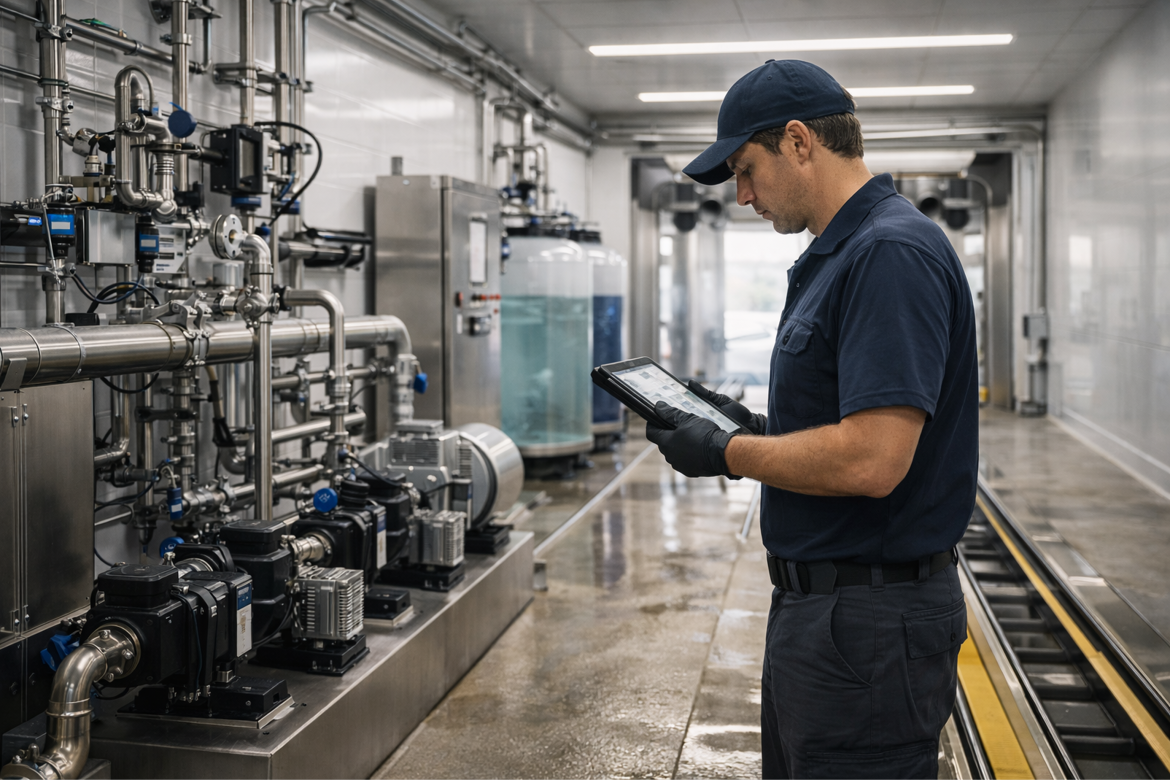
Equipment downtime is one of the most expensive problems a car wash operator can face. Every minute a wash is offline means lost revenue, frustrated customers, and increased strain on staff. In many cases, downtime is preventable with the right maintenance approach. Preventative maintenance is not about reacting to breakdowns. It is about identifying small
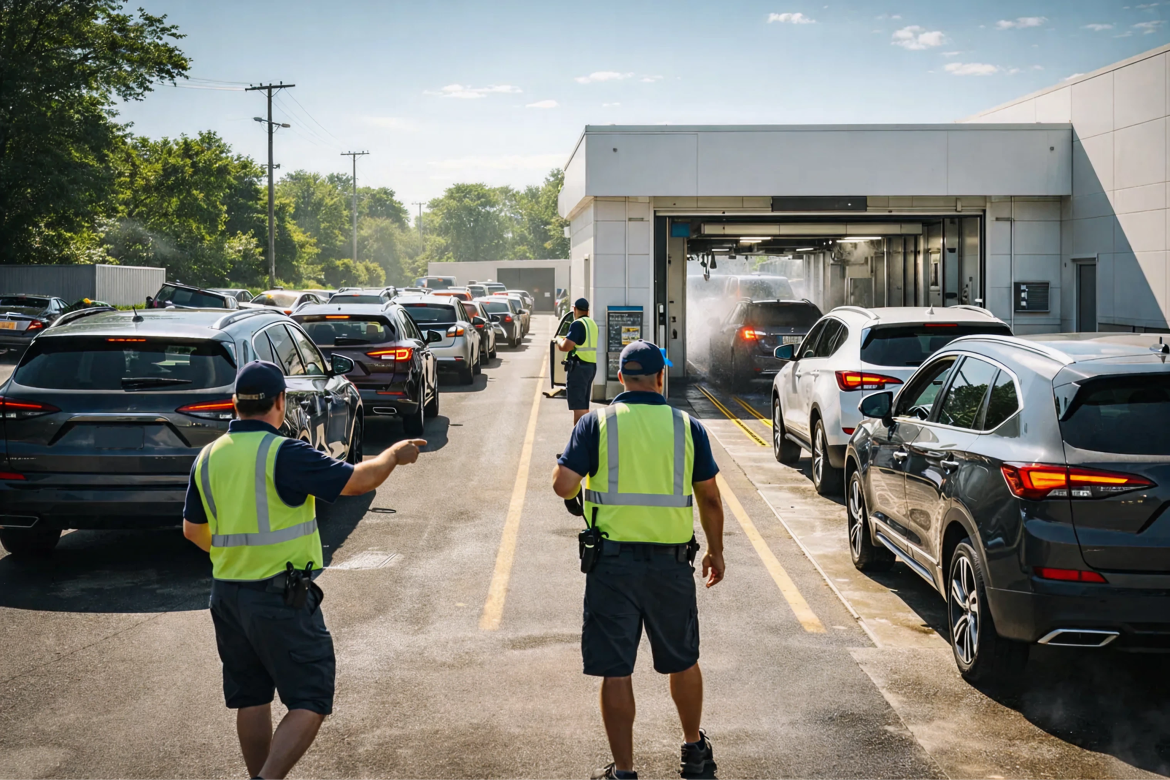
Summer is one of the busiest seasons for car wash operations. Higher temperatures, road construction, dust, and increased travel all contribute to higher wash demand. For operators, the challenge is not generating traffic but processing vehicles efficiently without creating long wait times or lost revenue. Increasing throughput during peak summer months requires a combination of
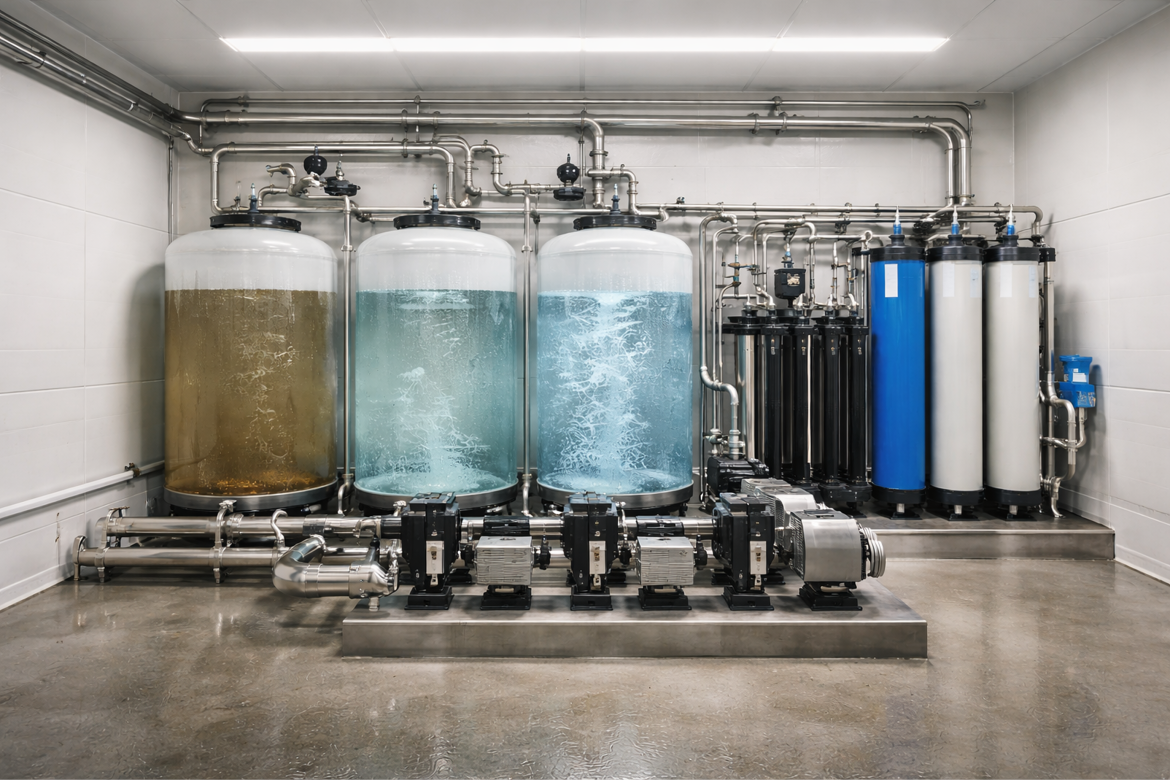
Water management has become a critical consideration in modern car wash development. As municipalities tighten environmental regulations and utility costs continue to rise, water reclamation systems are no longer optional upgrades. They are a core component of sustainable and profitable car wash operations. For investors and operators, understanding how these systems work and the value
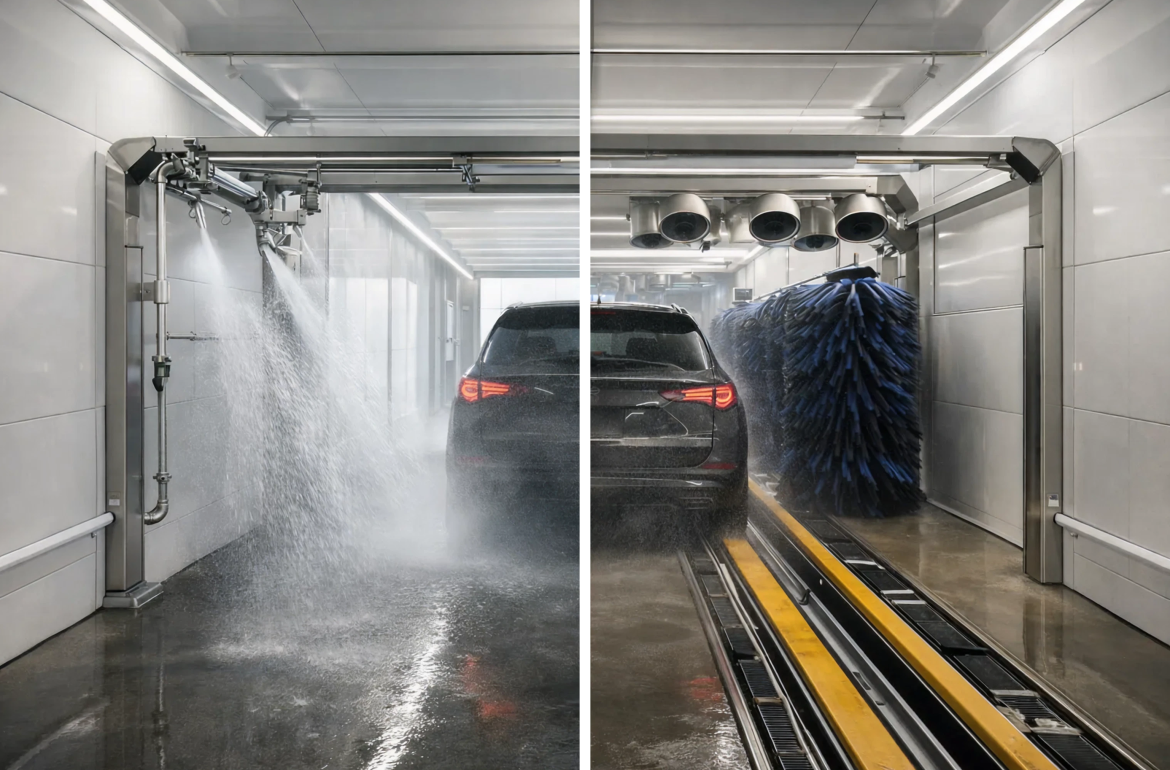
Choosing the right wash system is one of the most important decisions when building or upgrading a car wash. Two of the most common options are touchless and soft-touch systems. Each approach has advantages and drawbacks, and the right choice depends on customer expectations, site conditions, and long-term operating goals. Understanding how these systems differ
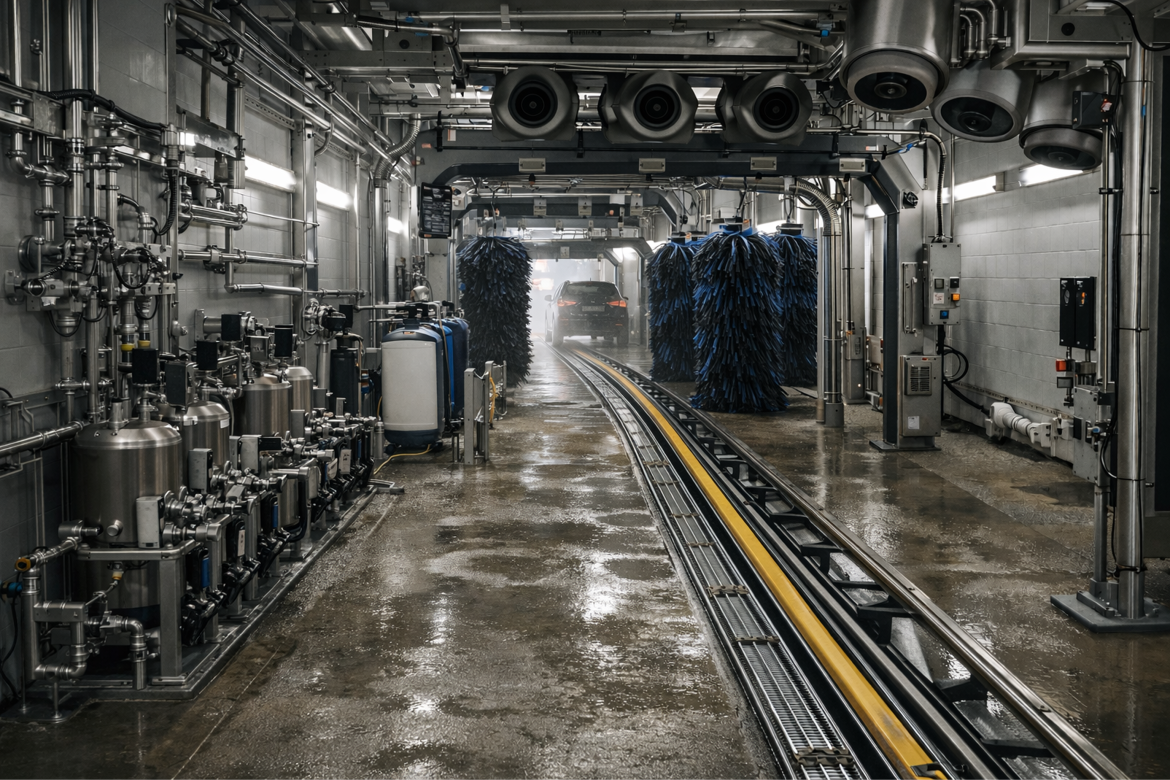
The car wash industry has evolved significantly over the last decade. Modern facilities are no longer just about cleaning vehicles. They are about efficiency, reliability, customer experience, and long-term operating performance. For investors and operators, choosing the right equipment is critical. The right systems improve throughput, reduce downtime, and support consistent revenue. This article outlines

