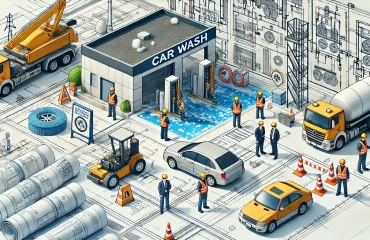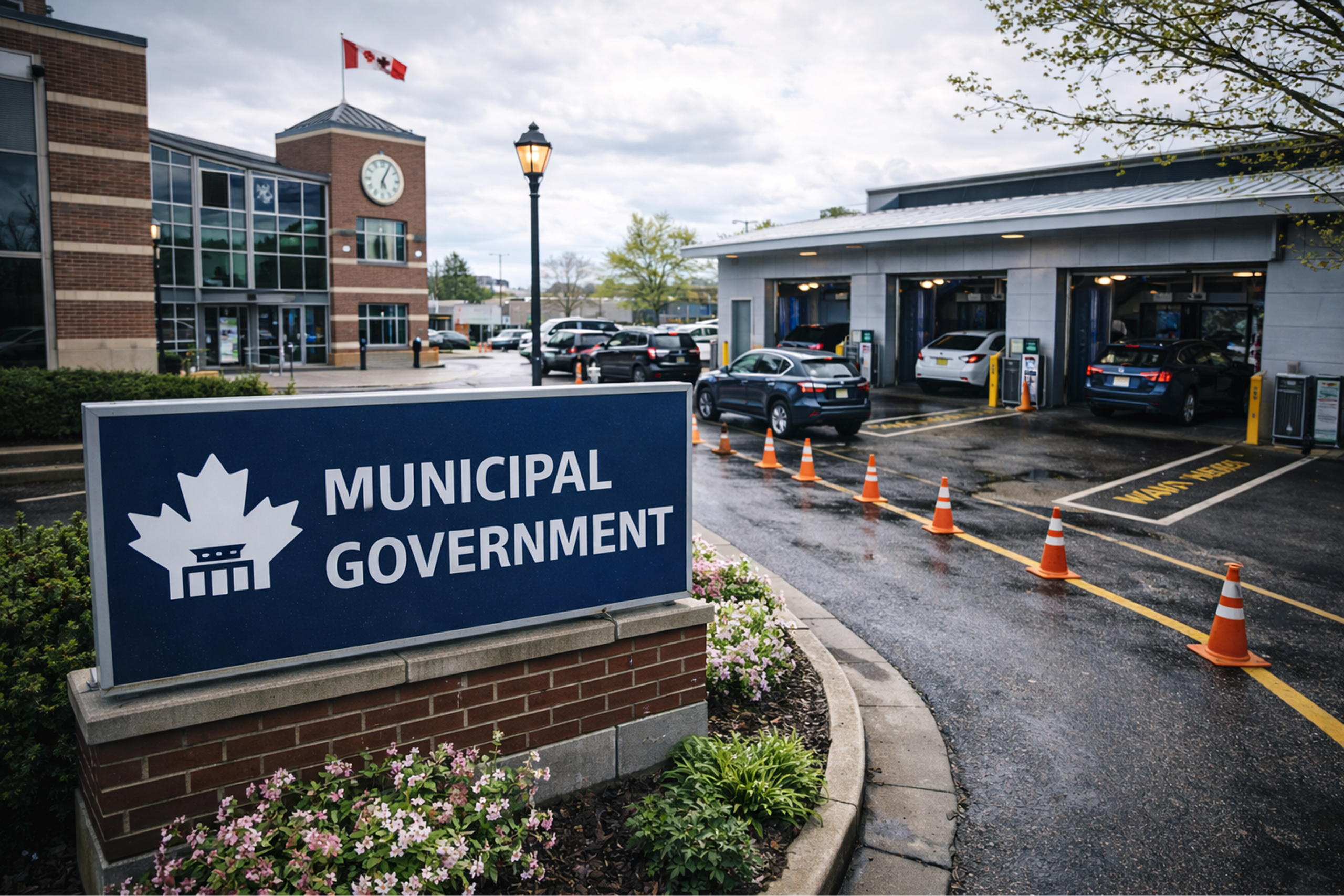

Municipal requirements play a major role in how car wash projects are planned, approved, and built across Canada. While car washes are proven revenue-generating assets, they are also infrastructure-heavy developments that interact closely with water systems, traffic patterns, and environmental regulations.
Understanding municipal requirements early helps avoid delays, redesigns, and unexpected costs.
Zoning and Land Use Approval
The first municipal hurdle is zoning. Not all commercially zoned land allows car wash use by default. Some municipalities classify car washes as automotive service uses, while others place them under special or discretionary categories.
Key zoning considerations include:
- Permitted versus discretionary use
- Setback and lot coverage requirements
- Noise and operating hour restrictions
If a car wash is a discretionary use, additional public hearings or approvals may be required, which can extend timelines.
Development Permits and Site Design Review
Most municipalities require a development permit before construction can begin. This review focuses on how the site interacts with surrounding properties and public infrastructure.
Municipal review often includes:
- Site layout and vehicle circulation
- Traffic flow and stacking capacity
- Landscaping and screening
- Building placement and appearance
Poor site design can trigger revisions that delay approval and increase design costs.
Traffic Impact and Access Requirements
Car washes generate concentrated vehicle traffic, especially during peak periods. Municipalities are particularly concerned with how sites handle ingress, egress, and stacking without impacting public roads.
Common requirements include:
- Minimum on-site stacking capacity
- Right-in and right-out access limitations
- Traffic impact studies for busy corridors
Failure to meet traffic requirements is one of the most common causes of development delays.
Water Usage and Environmental Controls
Water management is one of the most regulated aspects of car wash development in Canada. Municipalities closely review water consumption, discharge, and environmental impact.
Requirements may include:
- Water reclamation or recycling systems
- Oil and grit separators
- Stormwater management plans
- Limits on discharge volume or quality
Environmental compliance is often reviewed by multiple departments, increasing complexity.
Utility Capacity and Infrastructure Upgrades
Car washes place heavy demand on water, electrical, and drainage systems. Municipalities require confirmation that existing infrastructure can support the proposed use.
In some cases, developers may be responsible for:
- Water main upgrades
- Sewer capacity improvements
- Electrical service upgrades
These costs are often discovered during permitting, not land acquisition.
Building Codes and Safety Compliance
Car wash buildings must meet local building codes, fire safety standards, and accessibility requirements.
This includes:
- Structural and foundation design
- Fire suppression and emergency systems
- Electrical and mechanical code compliance
- Barrier-free access
Coordination between engineers, architects, and municipal inspectors is essential.
Timelines and Approval Risk
Municipal approvals do not move at the same pace in every jurisdiction. Approval timelines can vary significantly depending on location, project complexity, and municipal workload.
Delays increase:
- Carrying costs on land and financing
- Construction scheduling risk
- Equipment lead time challenges
Projects that underestimate municipal timelines often experience budget pressure.
Why Early Municipal Engagement Matters
Engaging with municipal planning and engineering departments early can reduce risk. Pre-application meetings often reveal hidden constraints and expectations before major design work begins.
Early engagement helps:
- Identify zoning issues upfront
- Align site design with municipal standards
- Reduce revision cycles
- Improve approval confidence
Experienced developers build municipal requirements into project planning rather than reacting later.
Final Thoughts
Municipal requirements have a direct impact on the cost, timeline, and feasibility of car wash development in Canada. Zoning, traffic, water management, utilities, and environmental controls all influence whether a project moves smoothly or faces delays.
Investors and developers who understand these requirements early are better positioned to plan realistically and protect returns.
If you are considering a car wash project and want guidance navigating municipal approvals, site planning, and compliance, CCW Solutions works with investors and developers to manage each stage from feasibility through approval and construction.
Add CCWS as a Preferred Google Source to prioritize our insights.