
Equipment downtime is one of the most expensive problems a car wash operator can face. Every minute a wash is offline means lost revenue, frustrated customers, and increased strain on staff. In many cases, downtime is preventable with the right maintenance approach.
Preventative maintenance is not about reacting to breakdowns. It is about identifying small issues early and addressing them before they turn into costly failures.
Create a Consistent Maintenance Schedule
The foundation of preventative maintenance is consistency. Equipment should be inspected and serviced on a regular schedule rather than only when issues arise.
A structured maintenance plan should include:
- Daily visual inspections
- Weekly system checks
- Monthly deep inspections
- Seasonal maintenance before peak demand
Routine schedules help catch wear and tear before it impacts performance.
Focus on High-Wear Components
Certain parts of a car wash system experience more stress than others. Identifying these components and prioritizing them reduces the likelihood of unexpected failures.
High-wear areas often include:
- Pumps and motors
- Belts, hoses, and seals
- Bearings and moving assemblies
- Sensors and control components
Replacing these parts proactively is often far less expensive than emergency repairs.
Monitor Water and Chemical Systems Closely
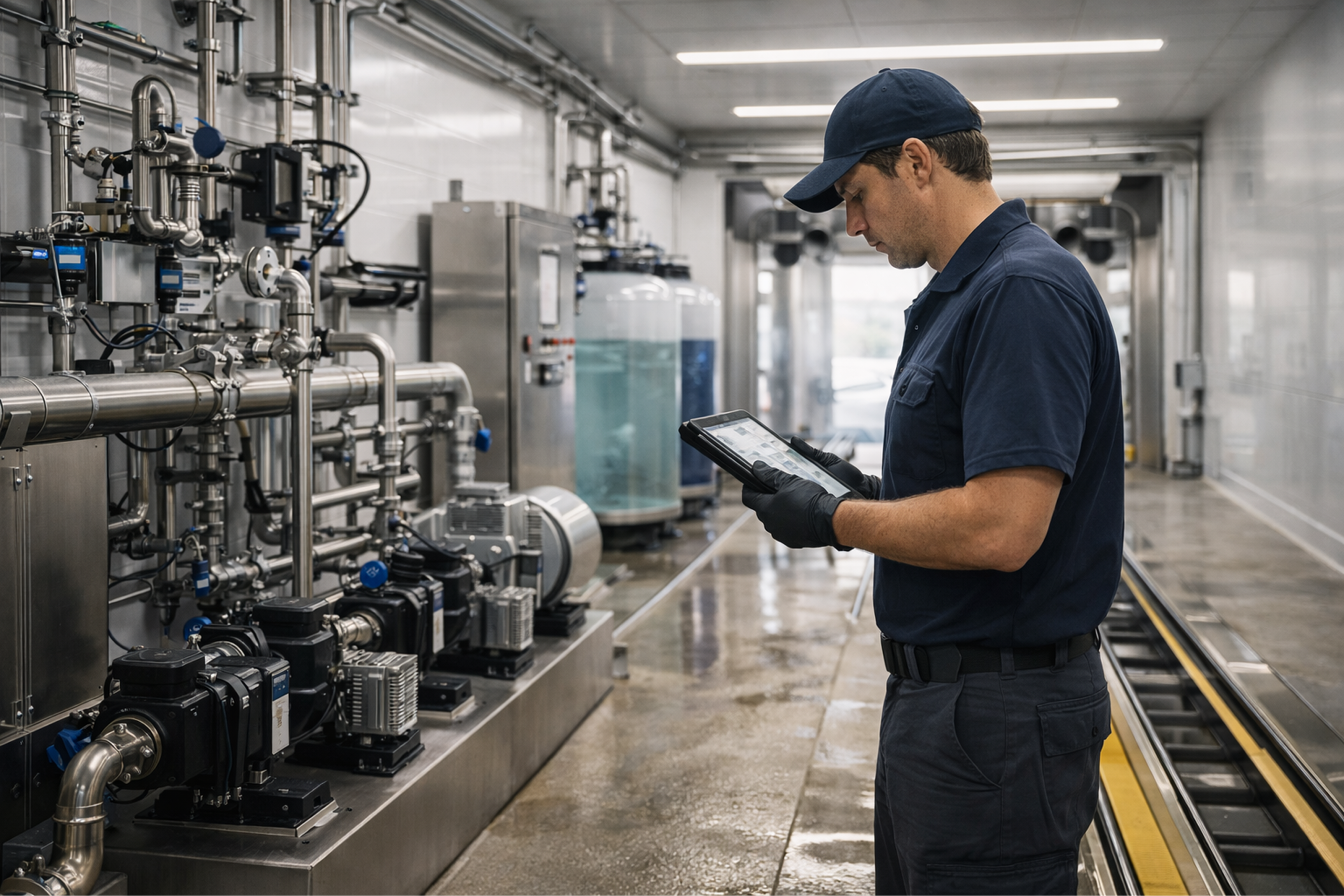
Water quality and chemical balance play a major role in equipment longevity. Poor water filtration or incorrect chemical ratios can accelerate wear and cause system failures.
Operators should regularly:
- Check filters and reclaim systems
- Inspect chemical lines for leaks or blockages
- Confirm proper dilution and delivery
Maintaining clean, balanced systems protects both equipment and wash quality.
Keep Electrical and Control Systems Maintained
Electrical issues are a common source of downtime and can be difficult to diagnose when ignored. Moisture, vibration, and temperature changes all affect electrical components.
Preventative steps include:
- Inspecting wiring and connections
- Testing sensors and safety switches
- Ensuring control panels are clean and sealed
Early detection helps avoid sudden system shutdowns.
Train Staff to Identify Early Warning Signs
Operators and attendants are often the first to notice unusual sounds, movements, or performance changes. Proper training allows staff to report issues before they escalate.
Encourage staff to watch for:
- Changes in cycle time
- Unusual noises or vibrations
- Inconsistent wash results
Prompt reporting supports faster intervention.
Maintain Accurate Maintenance Records
Tracking maintenance history helps identify recurring issues and predict future needs. Detailed records also support warranty claims and service planning.
Maintenance logs should include:
- Inspection dates and findings
- Parts replaced or serviced
- Observed performance issues
Good documentation supports smarter long-term maintenance decisions.
Prepare for Seasonal Stress
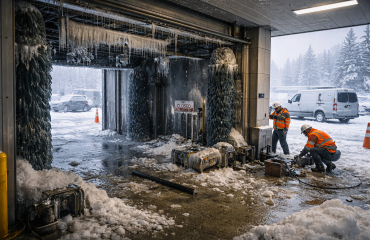
Seasonal changes place additional stress on equipment. Winter conditions, spring debris, and summer peak volume all increase wear.
Preparing equipment ahead of seasonal shifts helps avoid failures during critical revenue periods.
Final Thoughts
Preventative maintenance is one of the most effective ways to protect car wash revenue and extend equipment lifespan. While it requires time and discipline, the cost of routine maintenance is far lower than the cost of unexpected downtime.
Investors and operators who prioritize maintenance build more reliable, profitable operations.
If you are developing or operating a car wash and want guidance on maintenance planning, equipment selection, or system design that minimizes downtime, CCW Solutions works with operators to build facilities designed for long-term reliability.