
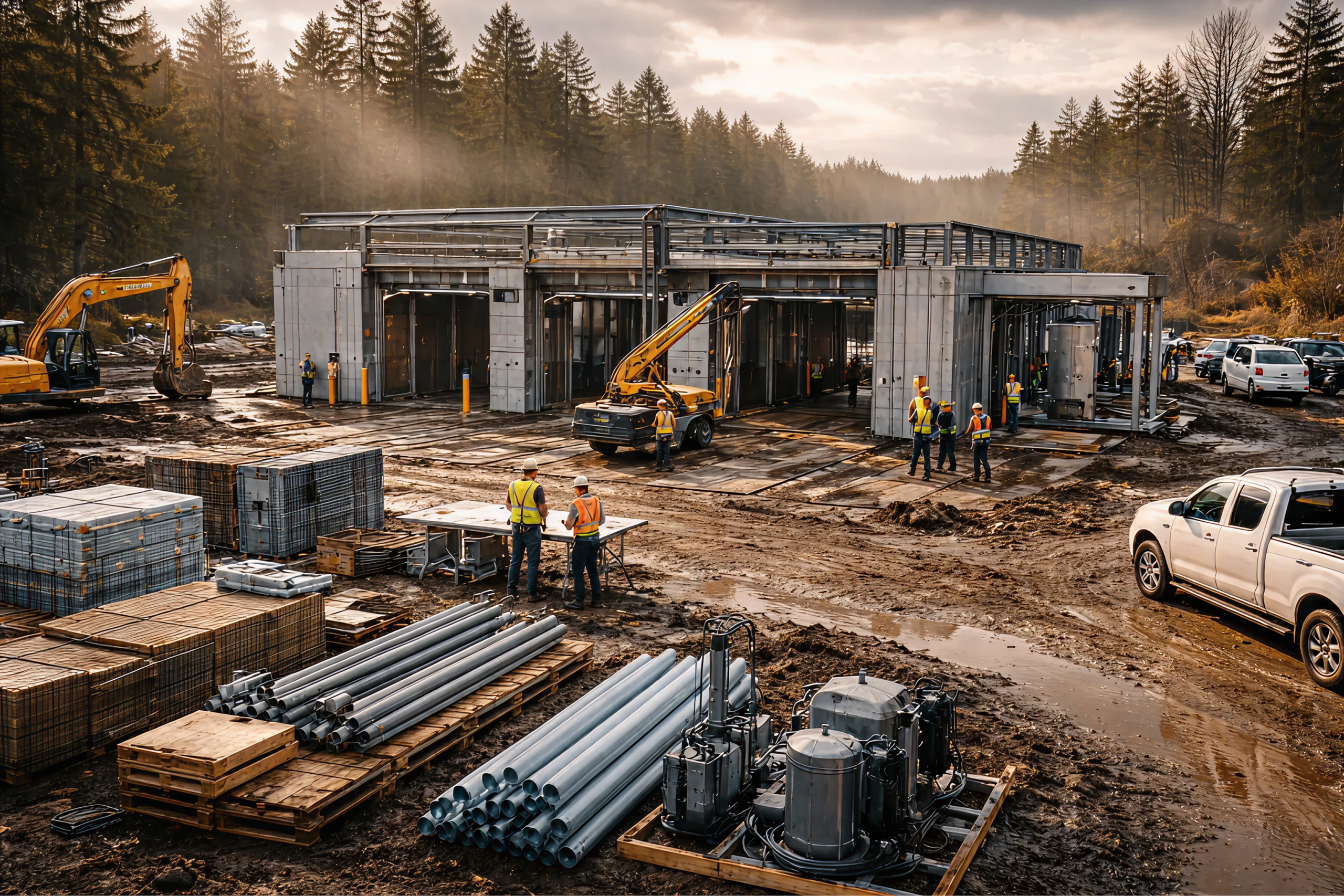

Building a car wash in Canada is a significant capital investment. Unlike many service businesses, a car wash combines specialized equipment, construction, utilities, environmental compliance, and real estate into one project. Because of this, costs can vary widely depending on the type of facility, location, and overall scope.
In 2026, most modern car wash builds in Canada fall somewhere between several hundred thousand dollars and multiple millions. Understanding where those costs come from is critical before committing capital.
Cost Ranges by Type of Car Wash
Self-Serve Car Washes
Self-serve car washes are typically the lowest-cost entry point. These facilities rely on multiple wash bays where customers wash their own vehicles using pressure wands and coin or card systems.
Typical total investment ranges from approximately $150,000 to $400,000, depending on the number of bays, site work required, and equipment quality.
Self-serve models are often best suited for smaller communities or as complementary services, but they generally produce lower revenue per vehicle than automated systems.
In-Bay Automatic and Touchless Car Washes
In-bay automatic systems wash vehicles while they remain stationary. These facilities offer higher convenience and throughput than self-serve models and are common in urban and suburban locations.
Equipment costs for a single automatic bay can range from roughly $120,000 to $320,000 or more. When construction, utilities, site work, and permitting are included, total project costs often fall between $300,000 and $800,000.
Actual costs depend heavily on land conditions, municipal requirements, and the level of automation selected.
Express and Tunnel Car Washes
Express and tunnel car washes represent the highest level of investment. These facilities use conveyor systems to move vehicles through multiple cleaning stages and are designed for high volume and speed.
In Canada, total investment for a modern express or tunnel car wash typically ranges from approximately $2.5 million to $7 million or more. This includes land, construction, specialized equipment, water treatment systems, and site infrastructure.
These facilities are usually built in high-traffic locations where strong demand can justify the higher capital requirements.
Major Cost Components to Budget For
Land Acquisition or Lease
Land cost varies significantly by region. Sites along major roads or commuter corridors command higher prices but can dramatically improve wash volume and revenue potential. In many cases, land becomes one of the largest line items in the overall budget.
Construction and Site Work
Construction costs include grading, excavation, concrete work, plumbing, electrical systems, drainage, and building enclosures. Car wash construction is more specialized than typical retail builds due to pits, oil and water separators, and heavy utility requirements.
Depending on design and location, construction costs often range from roughly $160 to $300 per square foot, with additional costs for specialized infrastructure.
Wash Equipment and Technology
Wash equipment is a major capital expense and varies widely based on system type and quality.
Automatic wash systems, conveyors, payment kiosks, and drying equipment all add to the total investment. Modern features such as license plate recognition, membership software, water reclamation, and remote monitoring increase upfront cost but often improve long-term performance.
Utilities and Environmental Compliance
Canadian car washes must meet strict environmental and water management standards. Utility upgrades, water reclamation systems, oil separators, and drainage compliance should be planned from the start.
Ignoring these costs early often leads to expensive retrofits later.
Permits and Professional Fees
Design, engineering, permitting, environmental assessments, and consulting fees are often underestimated. These soft costs are essential to securing approvals and ensuring the project is built correctly.
Budgeting Realistically in 2026
To avoid common pitfalls, investors should:
- Complete a detailed feasibility study before purchasing land
- Include a contingency buffer, often 10 to 20 percent of the total budget
- Budget for operating capital prior to opening
- Focus on long-term operating efficiency rather than lowest upfront cost
A realistic budget protects cash flow and reduces development risk.
Final Thoughts
In 2026, the cost to build a car wash in Canada varies widely based on facility type, location, and scope. Self-serve washes may start in the low hundreds of thousands, while high-volume tunnel facilities can exceed several million dollars.
Successful projects are built on clear budgeting, realistic expectations, and experienced execution.
If you are evaluating a car wash project and want a realistic breakdown of total costs based on your market and goals, CCW Solutions works with investors from early feasibility through design, construction, and launch.


