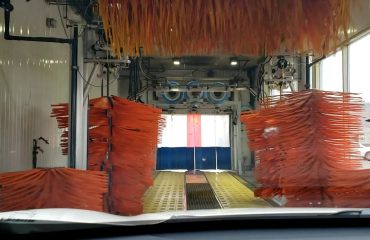
Automation is changing how car washes are built, operated, and scaled. What was once a labor-heavy service business is increasingly becoming a technology-enabled operation focused on efficiency, consistency, and data-driven decision-making.
For investors and operators, automation is no longer a future concept. It is already shaping the competitive landscape of the car wash industry.
Automation Is Reducing Reliance on Labor
One of the biggest impacts of automation is reduced dependence on on-site staff. Modern car washes can operate with minimal human intervention while maintaining consistent performance.
Automation supports:
- Unattended or lightly attended operations
- Automated payment and access control
- Self-monitoring equipment systems
This shift helps operators manage rising labor costs and staffing challenges while maintaining service levels.
Faster, More Consistent Customer Experience
Automation improves consistency. Every customer receives the same wash quality, pricing options, and experience regardless of time of day or staffing levels.
Automated systems help:
- Reduce transaction time at entry points
- Eliminate manual errors
- Maintain consistent wash cycles
A smoother customer experience leads to higher satisfaction and stronger repeat usage.
Membership and Subscription Models Depend on Automation
Unlimited wash memberships have become a major revenue driver across the industry. These programs rely heavily on automated systems to function efficiently.
Automation enables:
- License plate recognition or RFID access
- Automatic recurring billing
- Real-time tracking of customer usage
Without automation, managing memberships at scale becomes difficult and inefficient.
Data-Driven Operations Are Becoming the Standard
Modern automated systems generate valuable operational data. This data gives operators insight into performance trends and customer behavior.
Key benefits include:
- Tracking wash volume by time and day
- Identifying peak demand periods
- Evaluating package performance and pricing
Data visibility allows operators to optimize operations and increase profitability.
Improved Equipment Monitoring and Uptime
Automation is also improving equipment reliability. Many modern systems include remote monitoring and alert capabilities that identify issues before they lead to downtime.
These tools allow operators to:
- Address maintenance needs proactively
- Reduce unexpected shutdowns
- Schedule service more efficiently
Higher uptime directly supports higher revenue.
Scalability for Multi-Site Operators
Automation plays a critical role in scaling operations. Standardized systems across multiple locations allow owners to manage performance centrally and maintain consistent branding.
For investors building multi-site portfolios, automation simplifies oversight and reporting while reducing operational complexity.
Long-Term Competitive Advantage
As customer expectations continue to evolve, automated facilities are better positioned to compete. Speed, convenience, and reliability are becoming baseline requirements rather than differentiators.
Operators who delay automation risk falling behind competitors that can process vehicles faster, manage costs more effectively, and adapt to market changes.
Final Thoughts
Automation is reshaping the car wash industry by improving efficiency, consistency, and scalability. It is not about removing people from the process entirely, but about building smarter systems that support long-term growth.
For investors and operators, automation is becoming a foundational element of modern car wash development.
If you are planning a new car wash or upgrading an existing facility, CCW Solutions works with investors to integrate automation strategies that support performance, reliability, and future growth.