
Technology has been a driving force in the evolution of the car wash industry, transforming it from manual labour-intensive processes to sophisticated automated systems. The continuous advancements in technology have not only enhanced the efficiency and effectiveness of car wash operations but have also significantly improved the customer experience. From the early days of simple mechanical systems to today’s advanced robotic and AI-driven solutions, technology has played a crucial role in shaping the industry.
In this blog, we will explore the evolution of car wash technology over the decades. We will start by looking at the early innovations in the 1940s and 1960s that laid the foundation for automated car washes. Then, we will examine the technological advancements of the 1970s and 1980s, including the introduction of computer-controlled systems and self-service car washes. Moving into the 1990s, we will discuss the emergence of touchless technology and eco-friendly practices. The digital revolution of the 2000s brought significant changes with the integration of digital payment systems, data analytics, and mobile apps. In the modern era, we will highlight the latest innovations in robotics, AI, and sustainability. Finally, we will look ahead to the future of car wash technology, predicting upcoming advancements and their potential impact on the industry.
By understanding the evolution of car wash technology, businesses can better appreciate the importance of staying updated with the latest advancements and embrace new technologies for continued success.
Early Car Wash Innovations (1940s-1960s)
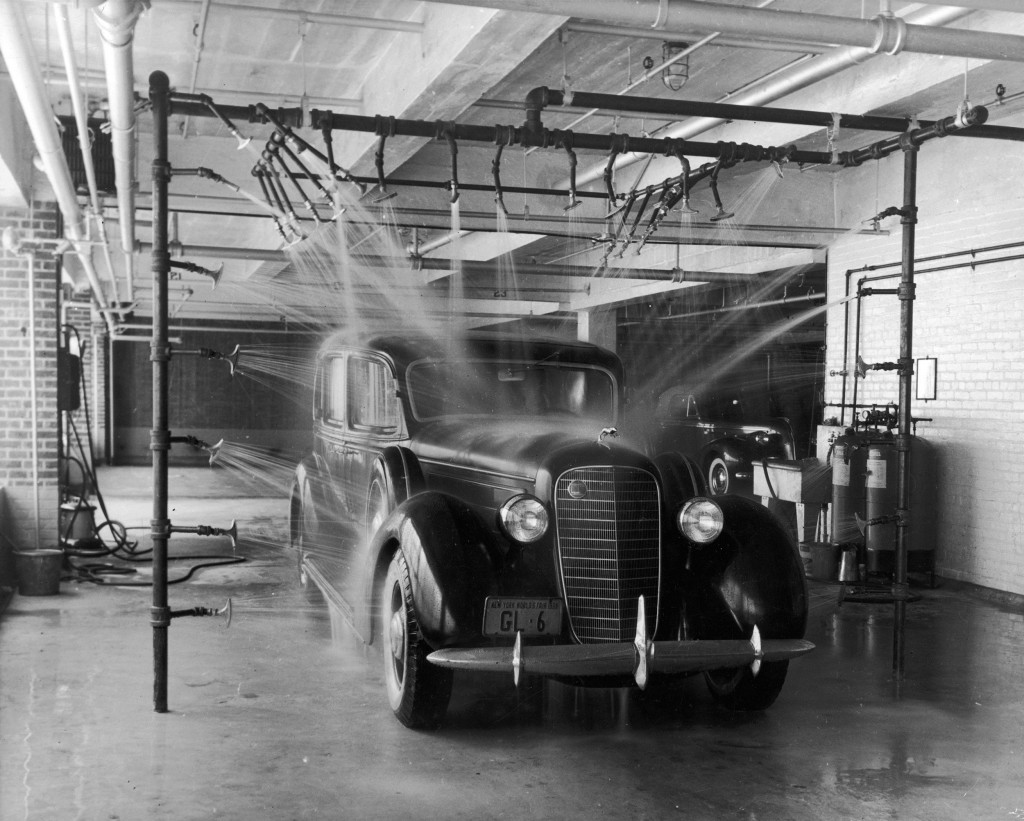
The 1940s to 1960s marked the birth of automated car washes, revolutionizing the industry and setting the stage for future advancements. Before this era, car washing was primarily a manual process, requiring significant time and labour. The introduction of automated systems significantly changed this dynamic, offering a faster, more efficient way to clean vehicles.
One of the key technological advancements during this period was the development of conveyor-style car washes. These systems used a conveyor belt to move cars through a series of cleaning stations, where automated brushes and sprayers performed the washing and drying tasks. This innovation greatly increased the speed and consistency of car washing, allowing businesses to serve more customers in less time.
Examples of early car wash systems include the first automatic car wash in Detroit in 1946, which used a primitive system of manually operated pulleys and brushes. By the 1950s, more advanced systems like the “Automobile Laundry” featured fully automated equipment, reducing the need for manual labour and setting a new standard for the industry.
Advancements in the 1970s and 1980s
The 1970s and 1980s saw significant advancements in car wash technology, including the introduction of computer-controlled systems. These systems allowed for greater precision and consistency in the washing process, optimizing water and detergent usage and ensuring a more thorough clean.
During this period, there was also a focus on developing more efficient washing and drying equipment. Innovations such as high-pressure water jets and advanced drying systems reduced the time required for each wash cycle and improved the overall quality of the service. These improvements made car washes more appealing to customers and more profitable for operators.
Another notable development was the rise of the self-service car wash. Self-service stations allowed customers to wash their vehicles at their convenience using coin-operated equipment. This model offered a cost-effective alternative to full-service car washes and became popular for its flexibility and affordability.
Technological Improvements in the 1990s
The 1990s brought several groundbreaking technological improvements to the car wash industry, most notably the introduction of touchless car wash technology. Touchless systems used high-pressure water and specialized detergents to clean vehicles without physical contact, reducing the risk of scratches and damage to the car’s surface. This innovation addressed a significant concern for car owners and provided a safer, more effective cleaning method.
Advances in water recycling and eco-friendly practices also emerged during this decade. Car washes began to implement systems that captured and recycled water, reducing overall consumption and minimizing environmental impact. These eco-friendly practices not only helped businesses comply with increasing environmental regulations but also appealed to environmentally conscious consumers.
Enhanced chemical solutions for better cleaning were another important development in the 1990s. New formulations of detergents and waxes were designed to be more effective at breaking down dirt and grime while being gentler on vehicle surfaces and the environment. These improved chemicals enhanced the quality of the car wash and contributed to the industry’s move towards more sustainable practices.
The Digital Revolution (2000s)
The 2000s brought a digital revolution to the car wash industry, integrating advanced technologies that significantly enhanced operational efficiency and customer experience.
One of the most notable advancements was the integration of digital payment systems and loyalty programs. Car washes began to adopt cashless payment options, such as credit and debit card processing, which streamlined transactions and improved convenience for customers. Additionally, loyalty programs were digitized, allowing customers to earn and redeem rewards through mobile apps or membership cards. These programs encouraged repeat business and helped car washes build a loyal customer base.
Data analytics emerged as a powerful tool for improving operations and customer experience. By collecting and analyzing data on customer behavior, service usage, and operational performance, car wash businesses could make informed decisions to optimize their services. Data-driven insights helped in tailoring marketing strategies, managing inventory, and scheduling staff more efficiently, ultimately enhancing the overall customer experience.
The implementation of automated kiosks and mobile apps further revolutionized the industry. Automated kiosks allowed customers to select and pay for services without the need for staff assistance, reducing wait times and labour costs. Mobile apps provided customers with convenient features like booking appointments, tracking loyalty rewards, and receiving real-time updates on service availability. These digital innovations made car washing more accessible and user-friendly.
Modern Car Wash Technology (2010s-Present)
From the 2010s to the present, the car wash industry has seen the adoption of advanced robotics and artificial intelligence (AI), further pushing the boundaries of efficiency and service quality. Robots equipped with AI technology can perform precise, consistent cleaning tasks, minimizing human error and enhancing the overall quality of service. AI-driven systems can also monitor equipment performance and predict maintenance needs, reducing downtime and increasing operational efficiency.
Innovations in high-efficiency and energy-saving equipment have become a focal point in modern car washes. Advanced water reclamation systems, energy-efficient dryers, and eco-friendly cleaning agents reduce resource consumption and operational costs. These innovations not only benefit the environment but also appeal to environmentally conscious consumers, helping car washes differentiate themselves in a competitive market.
Sustainability and eco-friendly solutions have gained growing importance in the car wash industry. Many car washes now use biodegradable detergents, implement water recycling systems, and invest in energy-efficient technologies. These practices reduce the environmental impact of car washing and comply with increasingly stringent environmental regulations. Promoting sustainable practices also enhances a car wash’s brand image and attracts a customer base that values eco-friendly services.
The Future of Car Wash Technology
Looking ahead, several technological advancements are expected to shape the future of the car wash industry. Emerging technologies like the Internet of Things (IoT) and blockchain have the potential to revolutionize operations and customer interactions.
IoT can connect various car wash systems and equipment, allowing for real-time monitoring and control. For example, IoT sensors can detect when supplies are running low or equipment needs maintenance, enabling proactive management and reducing downtime. IoT can also enhance the customer experience by providing personalized service recommendations based on data collected from previous visits.
Blockchain technology can improve transparency and security in transactions and data management. It can be used to securely store customer information, track loyalty rewards, and ensure the authenticity of eco-friendly certifications. Blockchain’s decentralized nature makes it resistant to tampering, providing an additional layer of trust for customers and operators.
To prepare for these future innovations, car washes should stay informed about technological trends and invest in adaptable infrastructure. Implementing scalable systems and maintaining a flexible approach to technology adoption will enable car washes to seamlessly integrate new advancements as they emerge. Partnering with technology providers and participating in industry forums can also provide valuable insights and opportunities for collaboration.
By embracing these future technologies, car washes can continue to enhance their operational efficiency, customer satisfaction, and sustainability, ensuring long-term success in an ever-evolving industry.
Conclusion
The evolution of car wash technology over the decades has transformed the industry from manual, labour-intensive operations to sophisticated, automated systems that offer unparalleled efficiency and customer satisfaction. From the early innovations of the 1940s to the advanced robotics and AI of today, each technological advancement has played a critical role in shaping the modern car wash experience.
Staying updated with these technological advancements is crucial for maintaining a competitive edge in the car wash industry. Embracing new technologies not only improves operational efficiency and service quality but also enhances customer satisfaction and loyalty. As the industry continues to evolve, keeping pace with emerging trends and innovations will be key to sustained success.
At Complete Car Wash Solutions (CCWS), we understand the importance of leveraging the latest technologies to stay ahead in the car wash industry. Our expertise and comprehensive solutions are designed to help you integrate cutting-edge technology into your operations, ensuring your car wash business remains efficient, customer-focused, and environmentally friendly. Whether you’re looking to upgrade your equipment, implement advanced payment systems, or explore sustainable practices, CCWS is here to support you every step of the way.
Contact CCWS today to learn more about how we can help you embrace new technologies and drive your car wash business toward continued success. Together, let’s build a brighter, more innovative future for the car wash industry.