
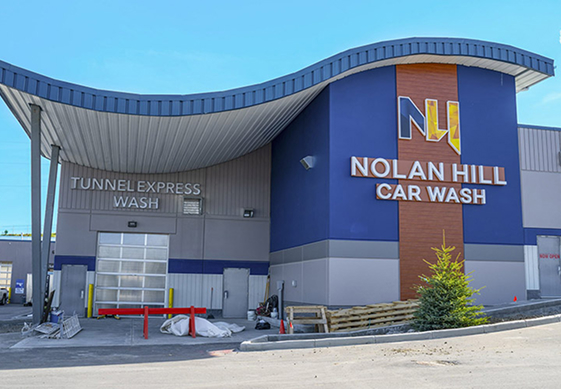
Why Investors Are Buying Up Car Washes in Alberta
Thursday, 20 August 2026
Investors are buying up car washes because the business model delivers three things that are rare in one asset: steady daily cash flow, very low labour costs, and real estate that holds its value. That combination has pulled billions of dollars of private equity into the car wash industry, and Alberta is one of the
- Published in Blog
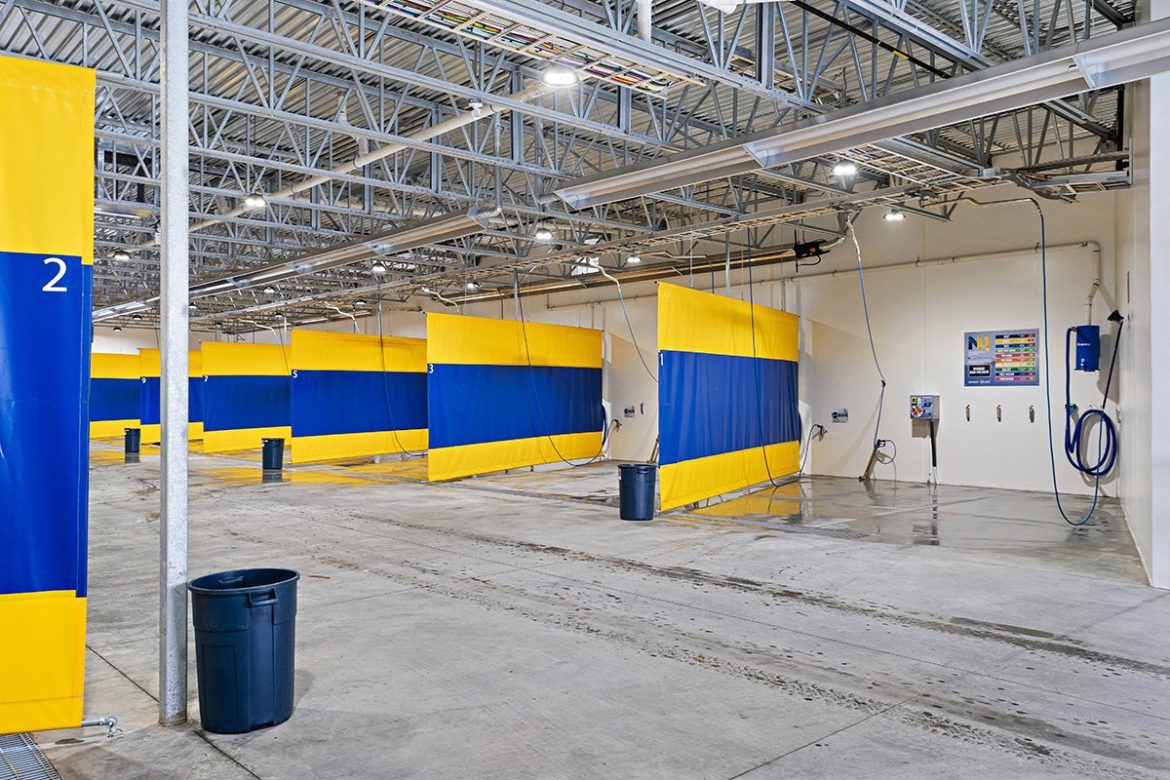
5 High-Margin Value-Add Services for a Car Wash in Alberta
Wednesday, 05 August 2026
Running a car wash profitably means maximizing the return on every square foot of your property, not just the bays themselves. The most successful operators in Alberta have learned that the real estate surrounding a wash, from unused corners of the lot to under utilized wall space, represents untapped margin. The highest-performing ancillary services require
- Published in Blog
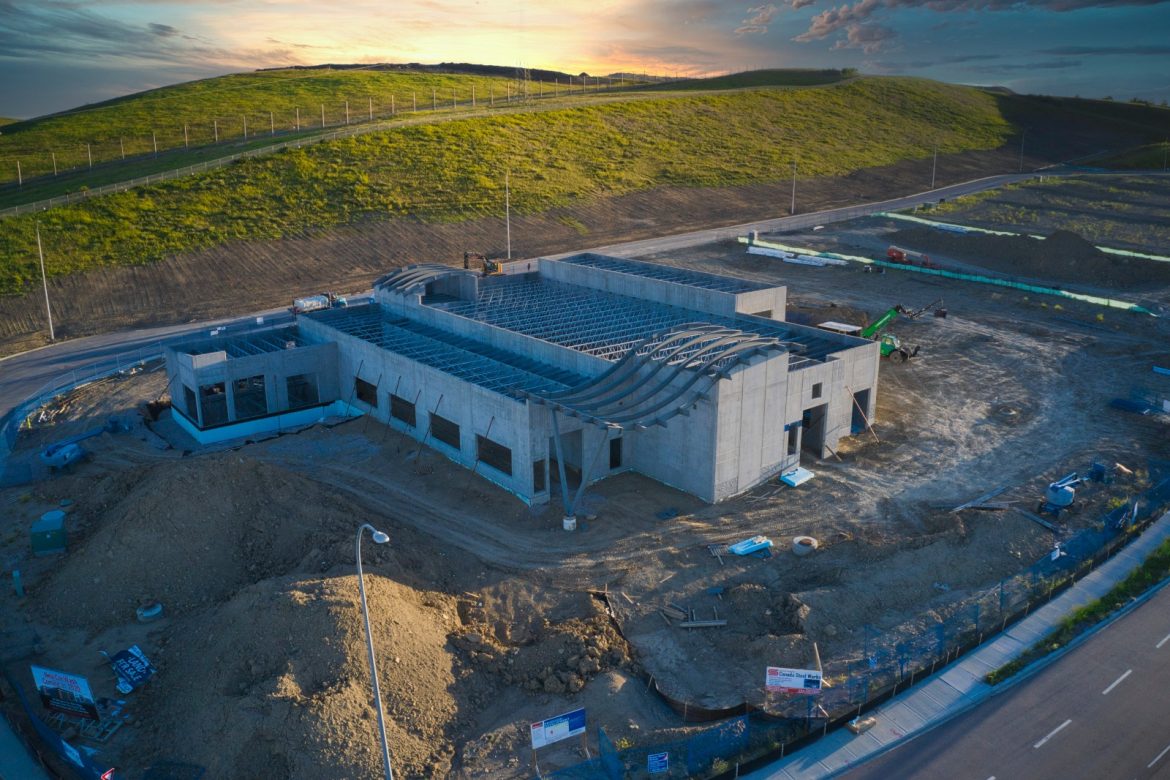
How to Find the Perfect Car Wash Site in Alberta
Wednesday, 22 July 2026
In the car wash industry, the single factor most often credited with a wash’s success is location. A well-built car wash on a poor site will underperform indefinitely, while a modest facility on a great site will often exceed projections. Understanding what makes a site genuinely viable, beyond a high traffic number on a spreadsheet,
- Published in Blog
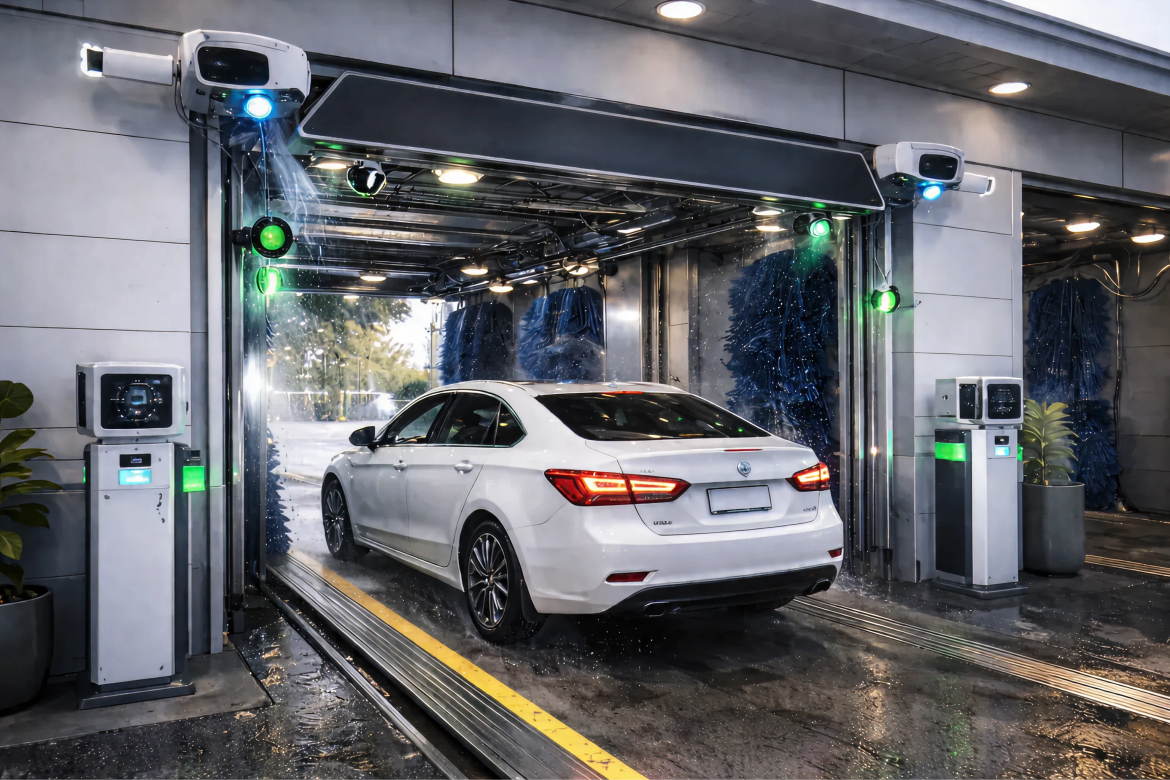
Reducing Labour Dependency in Modern Car Wash Operations
Tuesday, 16 June 2026
Labour has become one of the most unpredictable and expensive aspects of operating a car wash. Rising wages, staffing shortages, and turnover make labour-heavy operations harder to manage and less profitable over time. Modern car wash design and technology offer ways to significantly reduce labour dependency while maintaining strong customer experience and operational performance. Why
- Published in Blog

How to Balance Capital Costs and Long-Term Operating Costs
Tuesday, 02 June 2026
One of the biggest challenges in car wash development is finding the right balance between upfront capital costs and long-term operating expenses. Many owners focus heavily on reducing initial build costs, only to discover later that higher operating expenses erode profitability over time. The most successful car wash projects are designed with a long-term cost
- Published in Blog
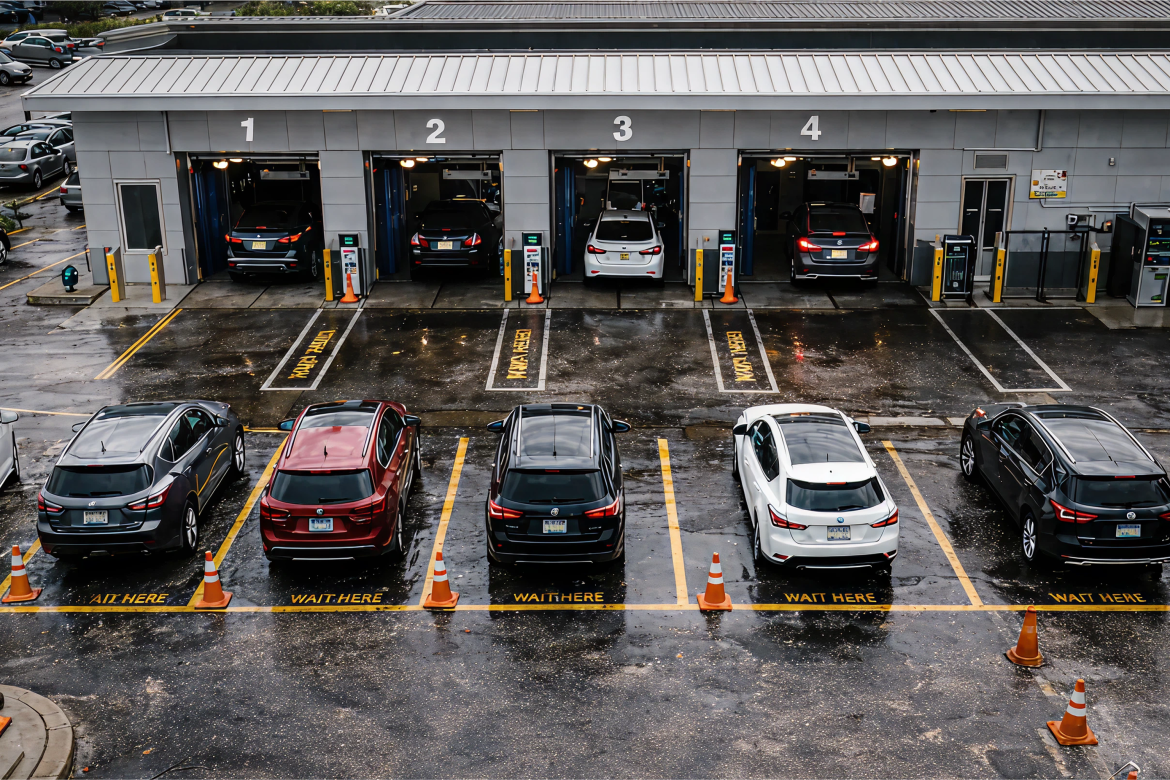
Choosing the Right Bay Count for Your Car Wash Location
Tuesday, 19 May 2026
One of the most important decisions in car wash development is determining the right number of wash bays. Bay count directly affects throughput, customer experience, construction cost, and long-term profitability. Too few bays can limit revenue and create congestion. Too many bays can inflate costs without delivering proportional returns. Choosing the right bay count requires
- Published in Blog

